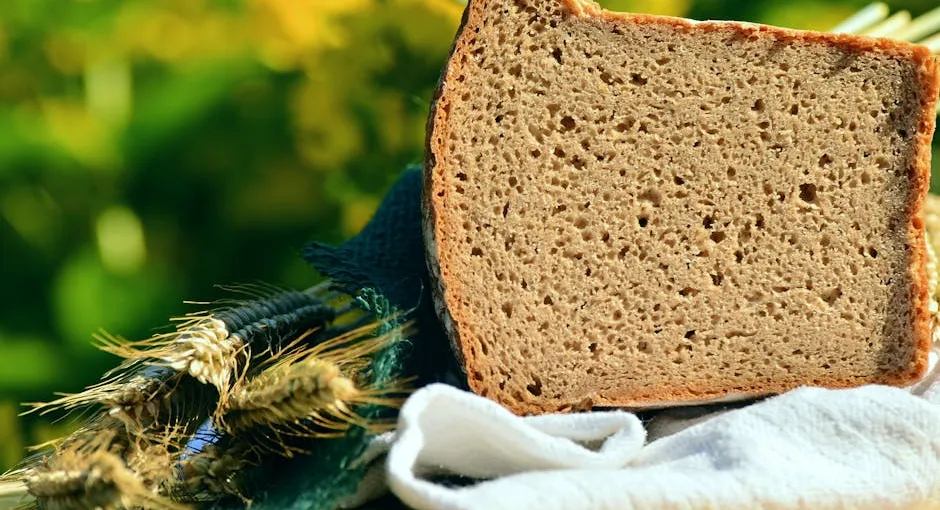
Whole wheat flour is 100% extraction — the entire wheat kernel, including the bran, germ, and endosperm. That means more flavor, more nutrition, and more complexity in your bread. It also means more water absorption, weaker gluten structure, and a shorter shelf life. Using whole wheat well requires understanding what makes it different from white flour and adjusting your technique accordingly.
This guide covers the science, the practical adjustments, and specific flour brands worth buying for bread baking.
What Makes Whole Wheat Different
Extraction Rate
The single most important concept for understanding whole wheat flour is extraction rate — the percentage of the wheat kernel that ends up in the final flour.
| Extraction Rate | What’s Included | Flour Type |
|---|---|---|
| ~75% | Endosperm only (bran and germ removed) | White flour |
| 80-90% | Endosperm + some bran | High-extraction flour |
| 100% | Everything — endosperm, bran, germ | Whole wheat flour |
White flour is about 75% extraction. The milling process removes the 14% bran layer and the 2.5-3.5% germ, keeping only the starchy endosperm. Whole wheat flour keeps everything.
That extra 25% matters. The bran is rich in fiber and minerals but also contains sharp particles that physically puncture developing gluten strands. The germ is packed with vitamins and oils — oils that contribute flavor but go rancid faster than the stable starch in white flour.
Water Absorption
Whole wheat flour absorbs significantly more water than white flour. Bran particles act like tiny sponges, soaking up water that would otherwise hydrate the gluten proteins.
The practical impact: a 75% hydration white dough and a 75% hydration whole wheat dough have very different consistencies. The whole wheat version will feel drier, stiffer, and harder to work with. Robertson raises hydration to 80% for his whole wheat country loaf. Forkish notes that “for a mostly whole wheat dough to be considered wet, it would probably need to have at least 82 percent hydration.”
Rule of thumb: When replacing white flour with whole wheat, increase hydration by 3-5% per 25% whole wheat added. So if your white bread recipe is at 75%, and you’re going to 50% whole wheat, aim for 80-82%.
Gluten Disruption
Bran doesn’t just absorb water — it physically tears the gluten network. The sharp, jagged bran particles act like tiny knives, cutting through glutenin and gliadin strands as they develop. This is why 100% whole wheat bread is denser than white bread even when you do everything else right.
Strategies that help:
- Longer autolyse (40-60 minutes). Gives the bran time to soften before mixing, reducing its cutting effect.
- Gentler mixing. Over-mixing accelerates bran damage. Stretch-and-fold methods work better than intensive machine kneading for whole wheat.
- Higher hydration. Saturated bran particles are softer and less destructive.
- Blend with white flour. Even 10-20% white flour significantly improves structure while keeping whole wheat character.
Shelf Life
The germ contains oils that oxidize and go rancid over time. White flour, with the germ removed, can last 6-12 months in a cool pantry. Whole wheat flour starts degrading within weeks of milling.
Storage rules:
- Room temperature: use within 1-2 months of milling (check date on bag)
- Refrigerator: extends to 3-4 months
- Freezer: extends to 6-12 months
- Stone-ground flour degrades faster than roller-milled because the larger, more irregular particles expose more surface area to oxidation
If your whole wheat flour smells musty or bitter, it’s rancid. Throw it out. Fresh whole wheat should smell sweet, nutty, and slightly grassy.
Stone-Ground vs. Roller-Milled
This distinction matters more for whole wheat than for white flour.
Roller-milled (most commercial flour): Steel rollers crack the kernel, and the components are separated mechanically — endosperm goes one way, bran and germ go another. In “whole wheat” roller-milled flour, the bran and germ are added back to the endosperm after separation. The result is consistent particle size and reliable baking performance, but the flour has been disassembled and reassembled rather than ground as a single unit.
Stone-ground: Heavy stones crush the entire kernel together. The bran, germ, and endosperm are never separated. Particle size is less consistent — you get a mix of fine flour and coarser bran flakes. But the flavor compounds from the germ are distributed throughout the flour rather than concentrated in re-added layers.
In practice: Stone-ground whole wheat has more complex flavor — nuttier, sweeter, more aromatic. Roller-milled whole wheat has more consistent baking performance and longer shelf life. For bread baking, stone-ground is generally preferred when freshness is guaranteed. Roller-milled is the safer choice for supermarket flour that may have sat on the shelf for weeks.
Choosing Whole Wheat by Bread Type
For sourdough country bread (10-20% whole wheat): Any quality bread-grade whole wheat works. You’re using it for flavor complexity and fermentation vigor, not as the primary structure.
For 50-100% whole wheat hearth loaves: Stone-ground hard red spring wheat gives the strongest performance. The higher protein (12-14%) provides more gluten to compensate for bran disruption, and the stone-ground process preserves flavor. Increase hydration to 80-85%.
For whole wheat sandwich bread: Finer-milled roller-milled flour produces a softer crumb. King Arthur White Whole Wheat (milled from hard white winter wheat) has a milder flavor and lighter color that works well in pan loaves.
For whole wheat sourdough starter maintenance: Any whole wheat flour works. Forkish recommends adding whole wheat to every levain feeding because the bran and outer layers of whole wheat have more available sugars and minerals, creating a more vigorous culture.
The Best Whole Wheat Flours
King Arthur Whole Wheat Flour
Protein: 14% | Milling: Roller-milled, fine grind | Wheat: Hard red spring
The most widely available quality whole wheat in the US. The 14% protein is high — higher than most bread flours — which helps compensate for bran’s gluten disruption. Consistent grind, consistent performance. Available in every major grocery chain.
Best for: Reliable whole wheat bread at any percentage. The go-to supermarket option.
King Arthur Whole Wheat FlourBob’s Red Mill Whole Wheat Flour
Protein: 13% | Milling: Stone-ground | Wheat: Hard red spring/winter blend
Stone-ground with a coarser grind than King Arthur. The larger bran particles are visible in the flour and produce a more textured crumb. Flavor is nuttier and more complex.
Best for: Hearth loaves where whole wheat character is the point. Sourdough at 30%+ whole wheat.
Bob’s Red Mill Whole Wheat FlourCentral Milling Whole Wheat (Organic)
Protein: 13.5% | Milling: Stone-ground on French Burr stones | Wheat: Hard red spring, organic
The choice of serious home bakers and many professional bakeries. Central Milling is Robertson’s flour supplier for Tartine. Their stone-ground whole wheat has a distinctive sweet, wheaty aroma.
Best for: High-hydration sourdough. Country bread at 10-25% whole wheat.
Central Milling Organic Whole WheatKing Arthur White Whole Wheat
Protein: 13% | Milling: Roller-milled | Wheat: Hard white winter
Milled from hard white wheat instead of hard red. The flavor is milder and less bitter — closer to white flour but with whole grain nutrition and fiber.
Best for: Sandwich loaves, kids’ bread, anywhere you want whole grain nutrition without the assertive whole wheat taste.
King Arthur White Whole WheatCairnspring Mills Type 85
Protein: 11-12% | Milling: Roller-milled, high extraction | Wheat: Pacific Northwest hard red, heritage varieties
Not technically whole wheat — it’s a high-extraction flour at about 85% extraction rate. The bran and germ are partially retained, giving it more flavor and nutrition than white flour but better structure than whole wheat.
Best for: Bakers who want “more than white, less than whole wheat.” Country bread, baguettes with character, pizza dough.
Cairnspring Mills Type 85Adjusting Recipes for Whole Wheat
| Whole Wheat % | Hydration Adjustment | Autolyse Adjustment | Notes |
|---|---|---|---|
| 5-15% | +1-2% | Standard (20-30 min) | Minimal impact on technique |
| 15-30% | +3-5% | Extend to 30-40 min | Noticeable flavor shift, slight density increase |
| 30-50% | +5-8% | Extend to 40-60 min | Structure starts to suffer; blend with strong bread flour |
| 50-75% | +8-12% | 60 min minimum | Expect denser crumb; consider tangzhong or extended autolyse |
| 100% | +10-15% | 60 min minimum | Dense by nature; embrace it. Use high-protein flour |
Common Whole Wheat Mistakes
Using stale flour. This is the number one reason people think they don’t like whole wheat bread. Rancid germ produces bitter, unpleasant flavors. Buy from a store with high turnover, check the milling date if available, and store in the freezer.
Not adding enough water. If you sub whole wheat into a white flour recipe at the same hydration, the dough will be dry, stiff, and the bread will be dense. Always increase hydration.
Skipping the autolyse. Whole wheat benefits from autolyse more than any other flour type. A 60-minute autolyse for 50%+ whole wheat is not optional — it’s the difference between decent bread and a brick.
Going to 100% whole wheat on the first try. Start at 10-20% and increase by 10% per bake. Each increment teaches you how the dough changes.
For troubleshooting dense whole wheat bread, see Why Is My Bread Dense?.
Frequently Asked Questions
- Is white whole wheat flour actually whole wheat?
- Yes. White whole wheat is milled from hard white winter wheat instead of hard red wheat. It contains the same bran, germ, and endosperm — it is 100% extraction. The difference is the wheat variety: white wheat has a milder, less bitter flavor and lighter color than red wheat. Nutritionally, they are nearly identical.
- Why does my whole wheat bread always come out dense?
- Three likely causes: insufficient hydration (whole wheat absorbs 5-15% more water than white flour), skipping the autolyse (bran particles need 40-60 minutes to soften before they shred the gluten), or too high a percentage of whole wheat for your experience level. Start at 20% whole wheat blended with bread flour, increase hydration by 3-5%, and autolyse for at least 40 minutes.
- How should I store whole wheat flour?
- The freezer is the best option — it halts oxidation of the germ's oils and extends shelf life to 6-12 months. The refrigerator extends life to 3-4 months. At room temperature, use within 1-2 months of the milling date. Let frozen flour come to room temperature before baking.
- Does stone-ground flour make better bread than roller-milled?
- Stone-ground whole wheat typically has more complex flavor because the bran, germ, and endosperm are crushed together rather than separated and recombined. However, stone-ground flour has less consistent particle size, absorbs water less predictably, and goes rancid faster. Freshness matters more than milling method — fresh roller-milled beats stale stone-ground every time.