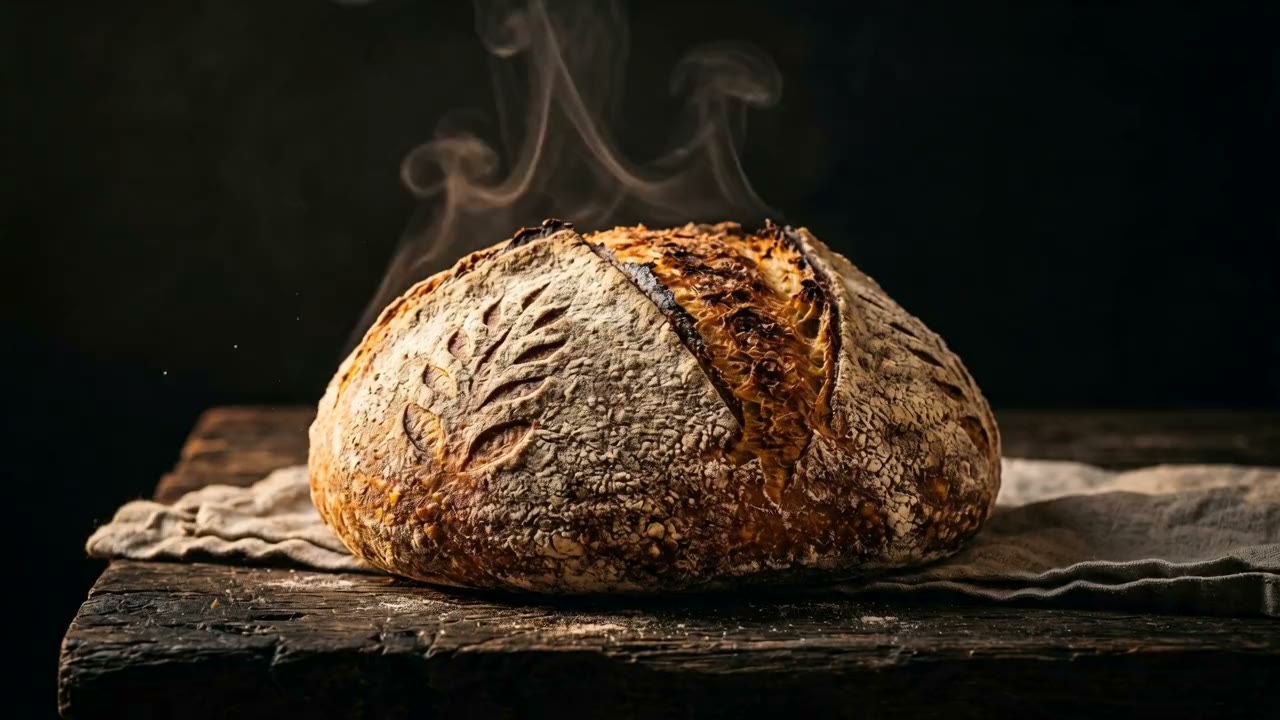
THE BREAD WORKSHOP
Master Bread
at Home
Science-backed tools, technique guides, and deep knowledge from the world's best bakers — adapted for your kitchen and your schedule.
Interactive Tools
Your Bread Workshop
Powered by 5 authoritative sources and real-world testing. Every formula is cross-referenced and sourced.
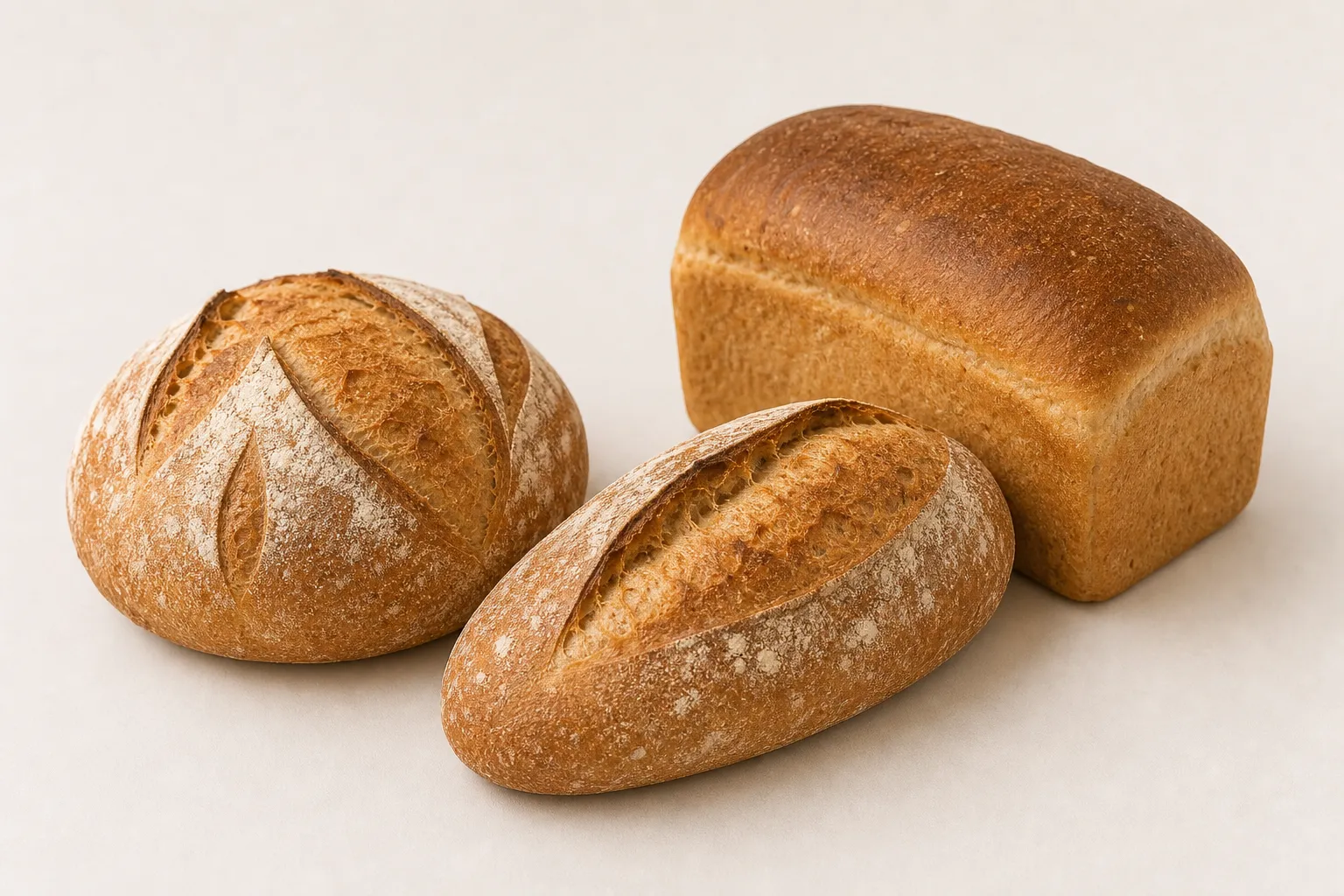
Calculator
Baker's Bench
Pick a bread, set your schedule, and get the exact formula.
Open →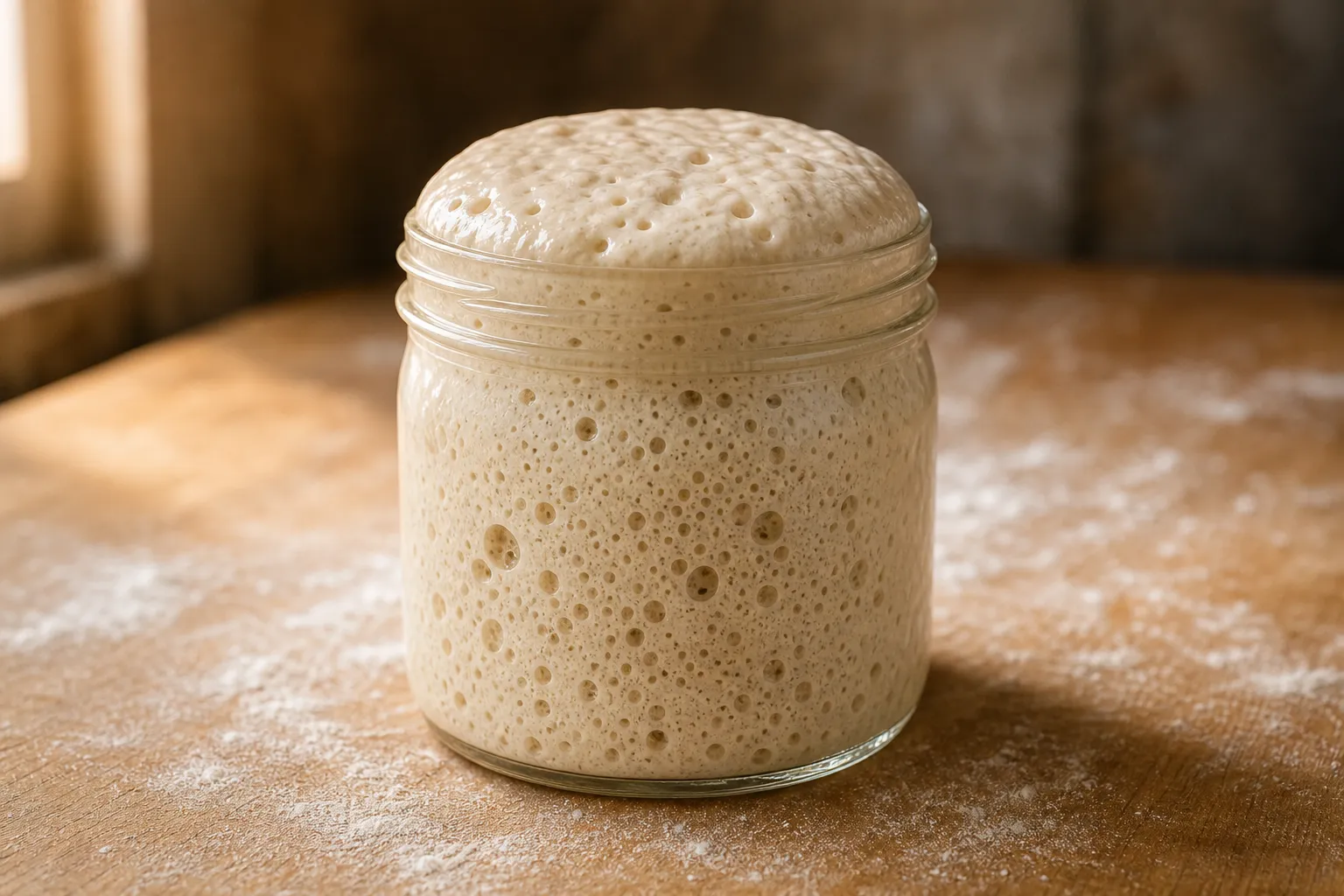
Fermentation
Starter Clock
Predict your starter peak window from ratio and kitchen temperature.
Open →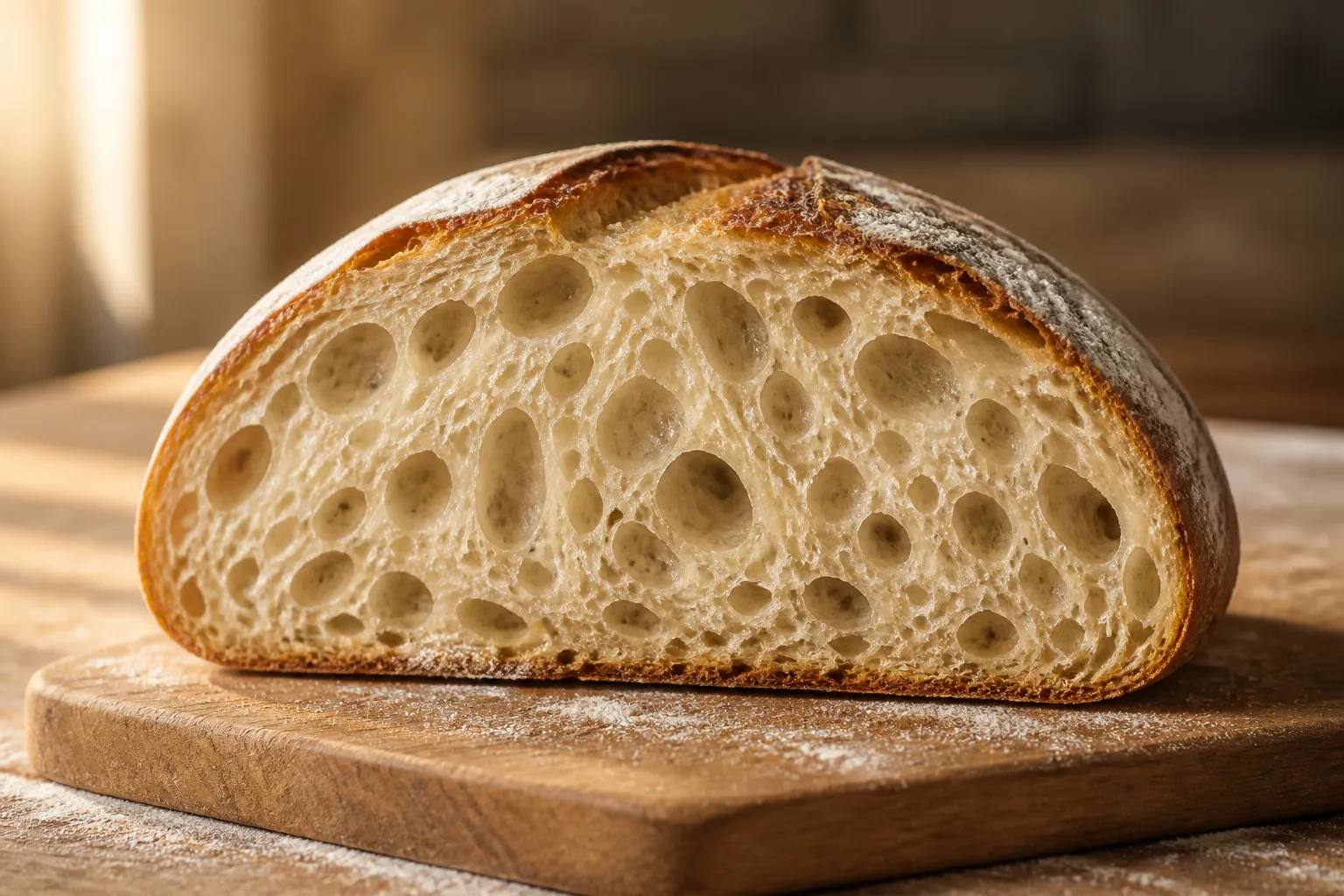
Diagnosis
Crumb Lens
Click the crumb problem zone and get a ranked diagnosis with fixes.
Open →
Reference
Baker's Shelf
Flour library, yeast converter, hydration adjuster, and temp math.
Open →Featured Tool
The Baker's Bench
20+ formulas from Hamelman, Robertson, Forkish, Reinhart, and Buehler — scaled to your batch size with calculated water temperatures, fermentation schedules, and baker's percentages. Pick a bread. Set your timeline. Get the recipe.
Open Baker's Bench →Fresh From The Oven
Latest Articles

Sourdough
Sourdough Stuffing: An Adjustable Herb Formula
Classic herb stuffing built on sourdough: drying vs. staling, an adjustable stock-and-egg ratio, and a safer make-ahead schedule.
Sourdough
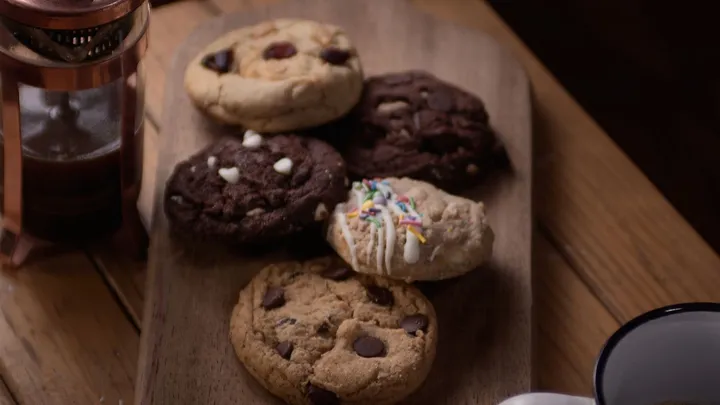
Sourdough Cookies: One Base, Five Cookies
One sourdough discard cookie base, five cookies: chocolate chunk, oatmeal, snickerdoodle, double chocolate, peanut butter. Ratios, chemistry, schedule.

Sourdough
Sourdough Dinner Rolls: Soft Overnight Recipe
Sourdough dinner rolls with an enriched, pillowy crumb: overnight schedule, make-ahead paths, and why naturally leavened rolls stay soft longer.
Equipment
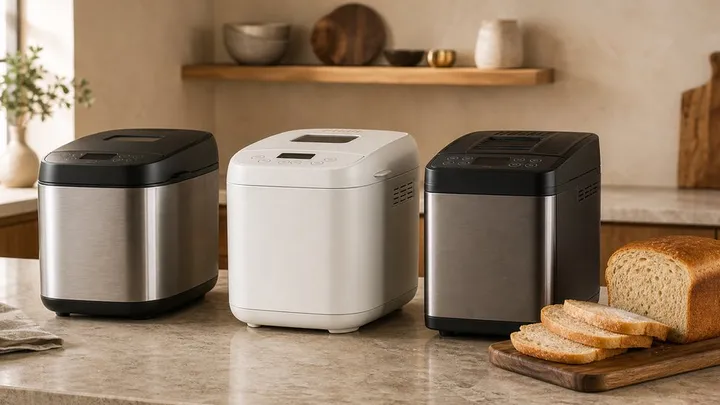
Best Bread Machine: 5 Models Compared (2026)
The best bread machine for most bakers, plus budget, compact, custom-cycle, gluten-free picks and modern replacements for 15 legacy models.
Styles
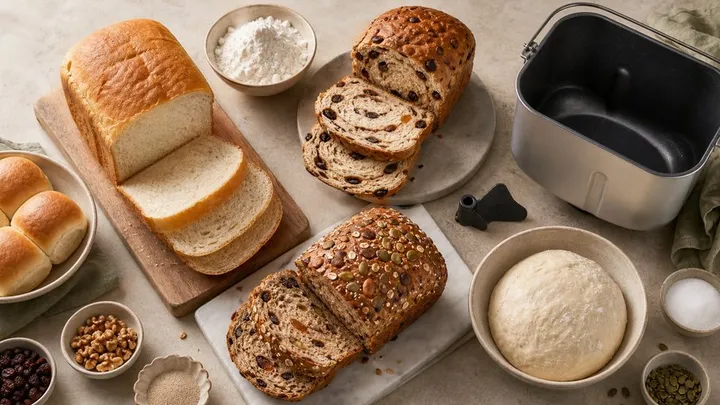
Bread Machine Recipes: 7 Reliable Formulas
Seven complete bread machine recipes in grams, with 1-, 1.5-, and 2-pound scaling, cycle guidance, ingredient order, and troubleshooting.
Equipment
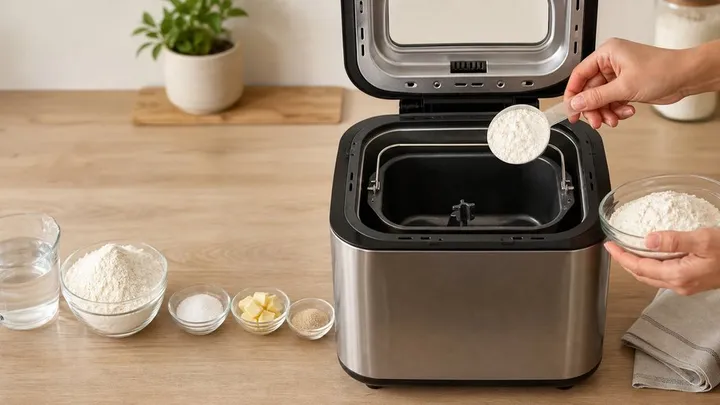
How to Use a Bread Machine: Step by Step
How to use a bread machine safely: identify the model, load ingredients, choose a cycle, inspect dough, add mix-ins, clean it, and fix common problems.
Built on Deep Knowledge
Every formula is sourced from 5 authoritative references — cross-referenced and adapted for the home baker.