The Library
Articles
Science-backed guides on sourdough, technique, equipment, and the craft — cross-referenced across five authoritative sources.
Latest
Science
Gluten Intolerance vs Celiac Disease: A Baker's Guide
Celiac disease, non-celiac gluten sensitivity, and wheat allergy are three different conditions with three different biologies — and three different kitchen protocols.
Science
How Gluten-Free Bread Works: Structure Without Gluten
Gluten-free bread replaces an elastic protein network with starches and hydrocolloids. Why some formulas are pourable batters and others are shapeable doughs, and what holds the loaf up.
Science
Is Gluten-Free Healthier? What the Evidence Actually Shows
For celiac disease a gluten-free diet is essential. For everyone else the evidence is far weaker than the marketing — and going gluten-free before testing causes a real problem.
Science
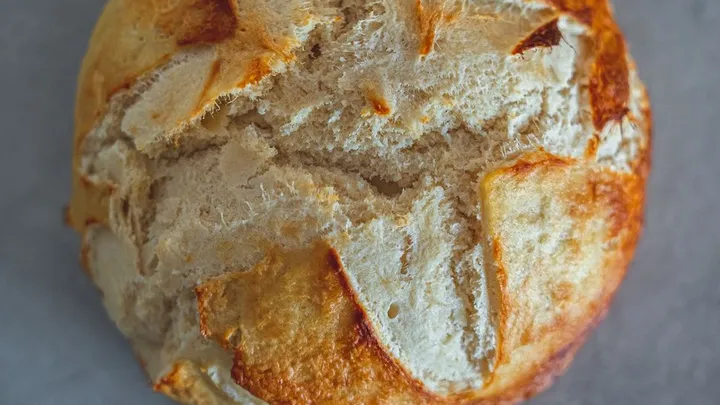
Is Sourdough Gluten-Free? What Fermentation Does and Doesn't Do
Sourdough fermentation genuinely degrades gluten — and still leaves far too much for celiac disease. What the research shows, and why 'lower gluten' is not 'gluten-free.'
Science
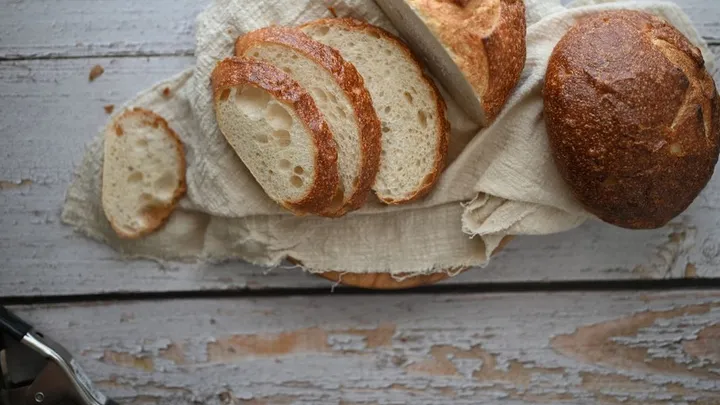
Low-FODMAP Sourdough: What the Fermentation Research Shows
Fermentation can reduce wheat fructans — but not on a schedule you can set by the clock. What governs the result, why baker's yeast counts too, and why only tested products qualify.
Science
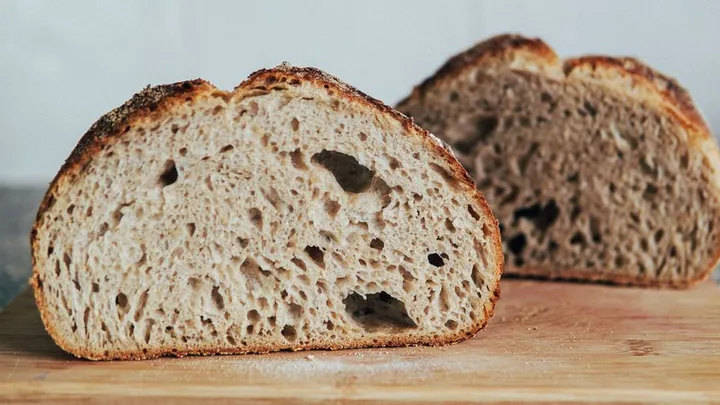
Sourdough Health Benefits: What Fermentation Actually Changes
Sourdough fermentation measurably changes bread — lower phytate, longer shelf life, partial gluten breakdown. Here is what the evidence supports, where it is uncertain, and where it stops.
Science
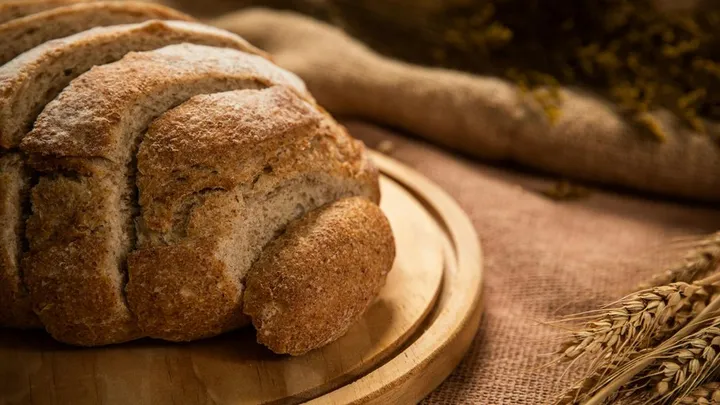
Does Sourdough Reduce Phytic Acid? What the Evidence Says
Long sourdough fermentation lowers phytic acid in bread studies, but evidence that people absorb more minerals remains limited and inconsistent.
Science
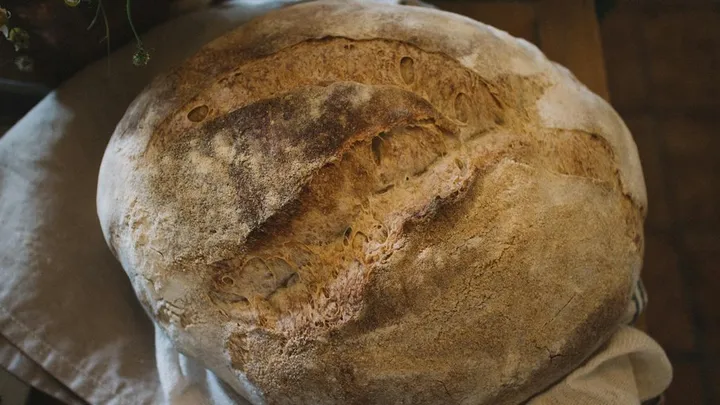
History of Sourdough: From Ancient Egypt to Modern Renaissance
The history of sourdough bread — from an 8,600-year-old fermented dough at Çatalhöyük and Egypt's Old Kingdom bakeries through Roman panis, French levain, San Francisco Gold Rush wild yeast, and the modern revival.

Science
Water for Bread Baking: Hardness, Minerals, and Why It Matters
The chemistry of water in bread baking -- calcium, magnesium, chlorine, chloramine, pH, and when filtered water actually helps your dough.
Science
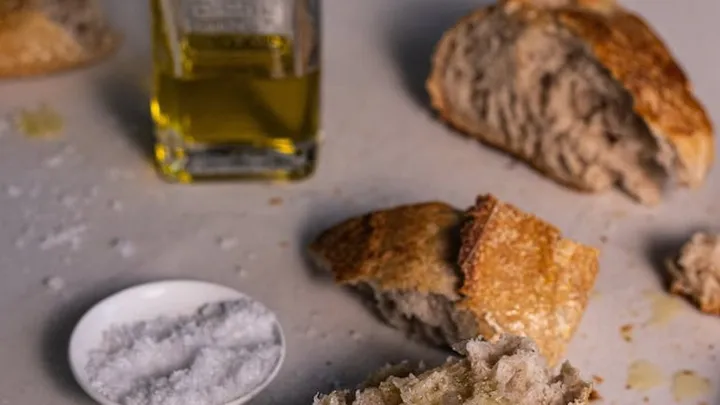
Salt in Bread: What It Does to Gluten, Fermentation, and Flavor
Salt strengthens gluten, controls fermentation rate, inhibits proteases, and enhances flavor. The full science of why 2% salt is the baker's standard.
Science
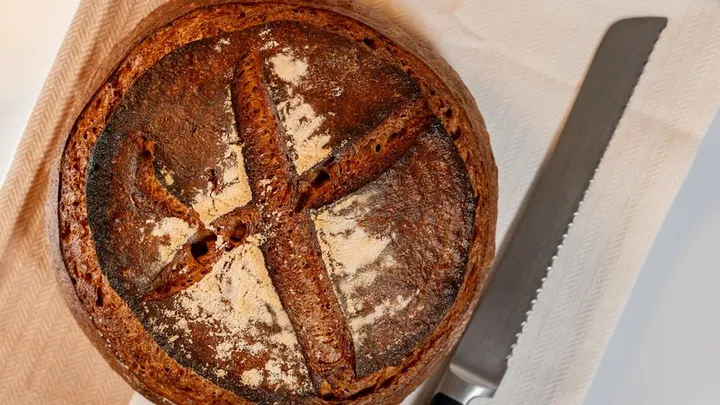
Oven Spring: Why Bread Rises in the Oven
The 4 mechanisms behind oven spring — enzyme acceleration, CO2 solubility, vapor pressure, and thermal expansion — plus steam, scoring, and diagnostics.
Science
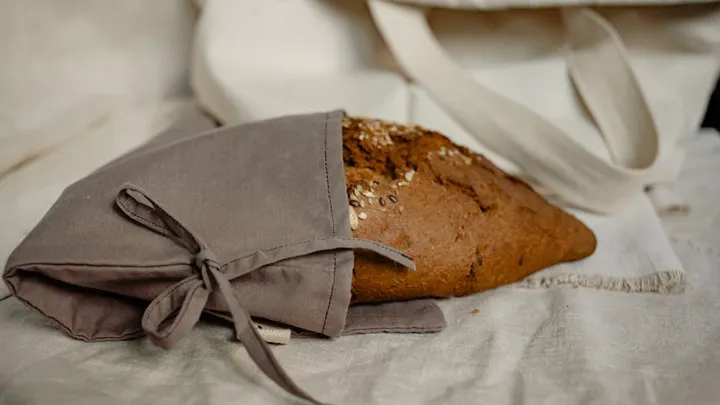
What Butter Does to Bread Dough (and When to Add It)
Butter softens bread, adds flavor, and slows staling. Learn when a modest amount can join the initial mix and why rich doughs add pliable butter later.
Science
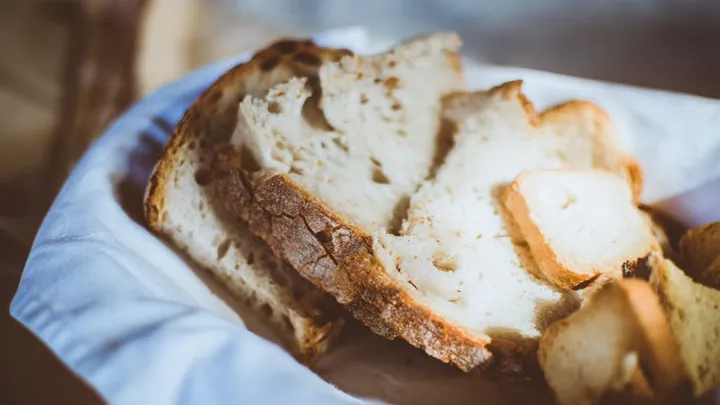
Bread Flour vs All-Purpose: What Actually Changes
The real science behind bread flour and all-purpose flour — protein content, water absorption, gluten development, and when each one matters.
Science
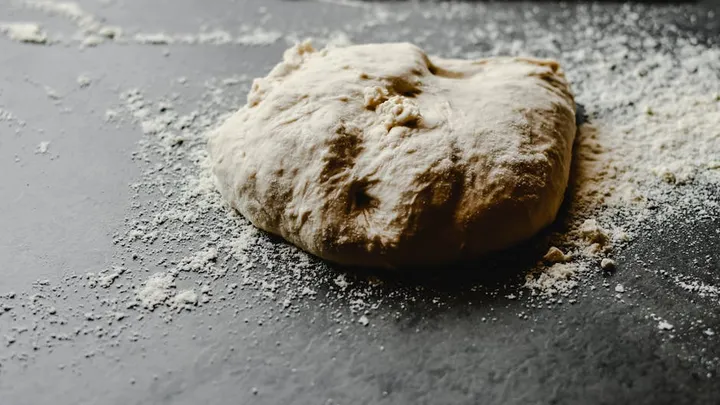
Why Bread Goes Stale (It's Not Drying Out)
Staling is starch retrogradation, not moisture loss. The refrigerator accelerates it. Here's the science, storage rules, and why toasting reverses it.
Science
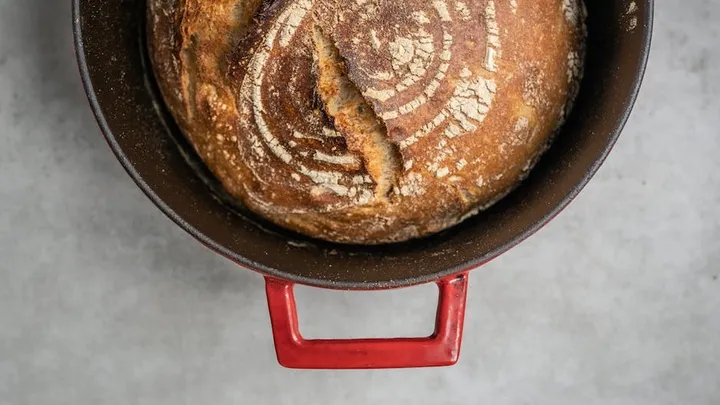
Hydration in Bread: What the Percentage Means
A complete guide to bread hydration -- what baker's percentage means for water, how it changes dough behavior, and why the recipe number isn't always right.
Science
Sourdough Starter Science: What's Actually Alive
The real microbiology of sourdough starters -- specific bacteria and wild yeasts, why geography doesn't matter, and how to control flavor.
Science
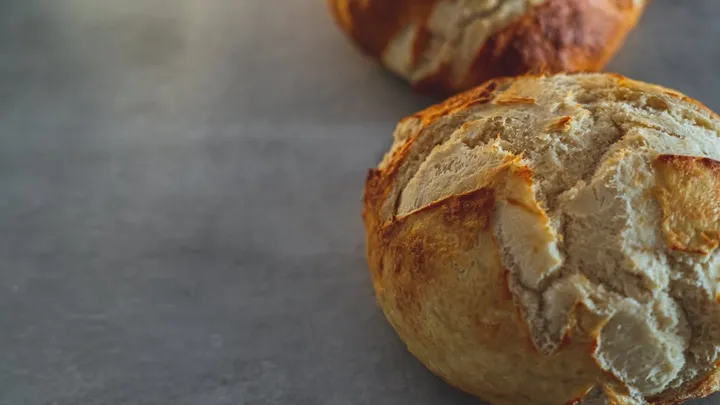
The Maillard Reaction in Bread: How to Get a Better Crust
Bread crust flavor comes from the Maillard reaction -- amino acids and sugars browning above 250 degrees F. Here's the science, plus how long fermentation and a darker bake build a deeper, tastier crust.
Science
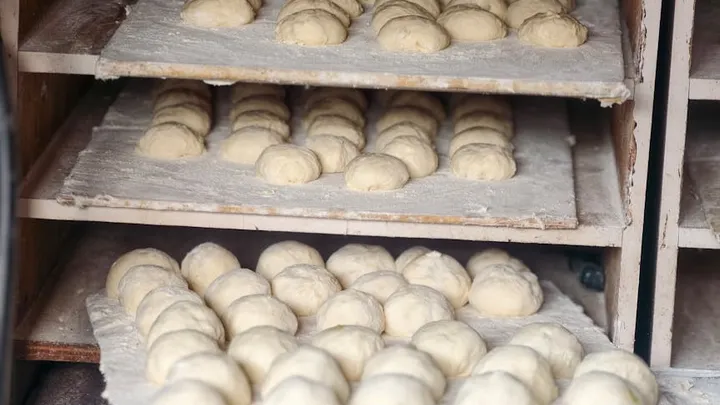
Fermentation in Bread: The Complete Science
Everything happening inside your dough -- glycolysis, CO2, enzyme activity, yeast behavior, and the temperature rules that control it all.
Science
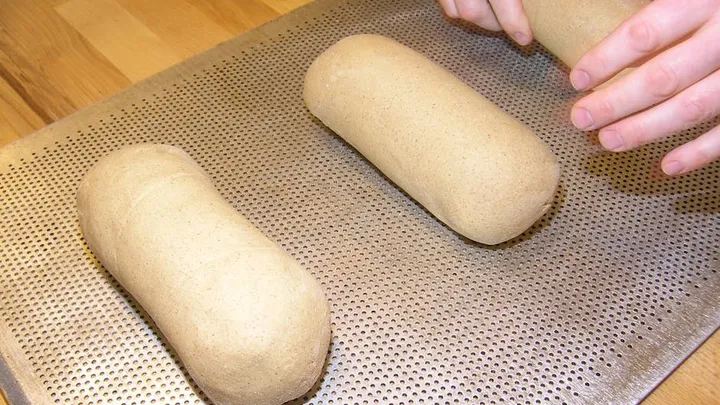
How Gluten Works in Bread: Strength, Stretch, and Structure
How gluten really works in bread: glutenin for elasticity, gliadin for stretch, disulfide bonds, and why different flours make different loaves.