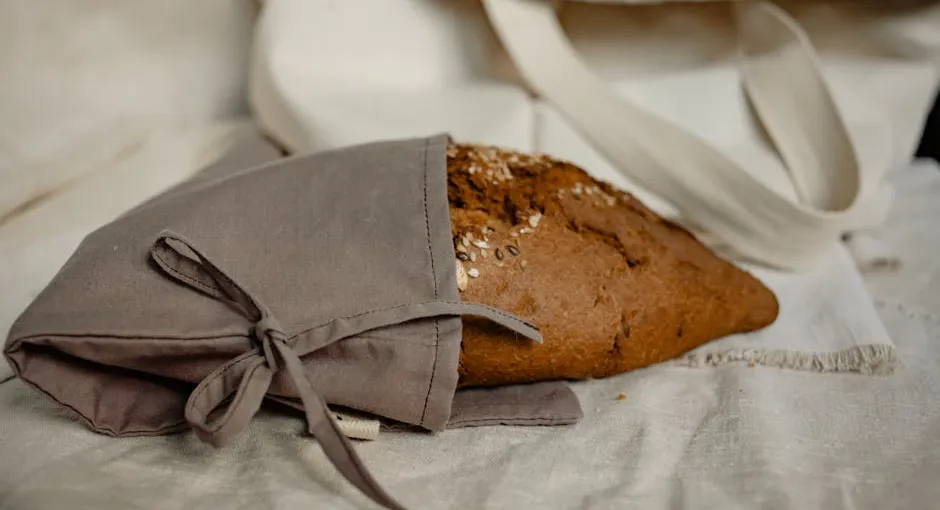
The difference between bread flour and all-purpose flour comes down to protein. Bread flour contains 12-14% protein. All-purpose sits at 10-12%. That 2-3 percentage point gap changes how your dough feels, how it ferments, and how the final loaf looks — but not always by as much as you’d expect.
This is a flour science article, not a product shootout. If you want specific brand recommendations, head to our whole wheat flour guide or the bread flour brand comparison. Here, we’re going to unpack what that protein number actually does to your bread.
Protein Content Is the Entire Story
Bread flour and all-purpose flour are both milled from wheat endosperm — the starchy interior of the wheat kernel, which makes up 70-73% of the grain. The bran and germ are removed in both cases. The difference is which wheat goes into the mill.
Bread flour is milled primarily from hard red spring wheat, which grows in harsh northern climates (North Dakota, Montana, the Canadian prairies). These wheats produce kernels with 11-15% protein. All-purpose flour typically blends hard and soft wheats to land in the 10-12% range — a compromise designed to work acceptably in cookies, cakes, and bread without excelling at any one.
The protein that matters is gluten-forming protein: glutenin and gliadin. When these hydrate and cross-link during mixing, they create the elastic network that traps fermentation gas. More protein means a stronger, more extensible gluten network. Less protein means a weaker, more tender one.
How 2% Protein Changes Your Dough
Two percentage points sounds trivial. It is not. The effects cascade through every stage of the process.
Water Absorption
Higher protein flour absorbs more water. If you’re making a dough at 68% hydration with 11.5% protein all-purpose flour and then switch to 12.5% bread flour at the same hydration, the dough will feel noticeably stiffer. The extra protein soaks up water that would otherwise be free in the dough matrix.
This means you need to adjust hydration when switching flours. There is no universal conversion factor — it depends on the specific brands involved. But a reasonable starting point is to add 2-5% more water when moving from all-purpose to bread flour and expect to fine-tune from there.
Gluten Development
Bread flour develops stronger gluten, faster. The windowpane test — stretching a small piece of dough thin enough to see light through — is easier to achieve with bread flour because there is simply more glutenin and gliadin available to form the network.
This stronger gluten does two things. First, it holds gas more effectively during fermentation, producing better oven spring and a more open crumb. Second, it gives the dough more structure during shaping, making it easier to build surface tension for a boule or batard.
Fermentation Tolerance
A dough with stronger gluten can tolerate a longer fermentation before the structure degrades. Proteases — enzymes naturally present in flour — gradually snip apart gluten bonds during fermentation. In a high-protein bread flour dough, there’s more gluten to start with, so it takes longer before protease activity becomes a problem. In a lower-protein all-purpose dough, you have a narrower window before the dough gets slack and soupy.
This is especially relevant for overnight breads and sourdough, where fermentation times stretch to 12+ hours.
Crumb Structure
Bread flour generally produces a chewier, more structured crumb. All-purpose produces a more tender, softer crumb. Neither is inherently better — it depends on what you’re baking.
When Bread Flour Actually Matters
Not all bread benefits from bread flour. The protein advantage matters most in these situations:
High-hydration doughs (72%+ hydration). Wet doughs need all the gluten strength they can get. A 78% hydration sourdough country loaf made with all-purpose will be significantly harder to shape and hold its form compared to the same formula with bread flour.
Long fermentations (8+ hours). The extra gluten provides a buffer against protease degradation. Forkish’s Overnight White at 78% hydration and 12-14 hours of fermentation was designed for bread flour. Using all-purpose shortens your safe fermentation window.
Hearth loaves that need oven spring. Free-standing loaves (as opposed to pan breads) need strong gluten to rise up rather than spread out. Bread flour makes this easier.
Bagels and other stiff doughs. Bagels at 55-58% hydration need maximum gluten for their dense, chewy texture. Bread flour is non-negotiable here.
When All-Purpose Works Fine
Plenty of excellent bread is made with all-purpose flour, and in some cases it is actually the better choice.
Sandwich loaves baked in pans. The pan provides structure, so you don’t need the gluten to hold the shape. A softer crumb from all-purpose is often preferable for slicing.
Enriched doughs. Brioche, challah, and other butter/egg-heavy doughs already have tenderness from fat. Using bread flour can make them too chewy and tough.
Flatbreads and pizza. Many flatbread traditions use moderate-protein flour. Neapolitan pizza uses Italian “00” flour at around 11-12.5% protein — closer to all-purpose than bread flour.
Quick breads with short fermentation. If you’re making a no-knead bread with a relatively short bulk, all-purpose works well. The long fermentation develops flavor and gluten without needing high-protein flour as a crutch.
The Wheat Class Behind the Label
Understanding the wheat classes behind commercial flour explains why not all “bread flour” or “all-purpose” flour performs the same.
Six classes of wheat are grown in the US:
| Wheat Class | Protein Range | Typical Use |
|---|---|---|
| Hard Red Spring | 11-15% | Bread flour, high-gluten flour |
| Hard Red Winter | 10-13% | Bread flour, all-purpose blends |
| Hard White Winter | 10-13% | Bread flour, whole wheat |
| Soft White Winter | 8-10% | Pastry flour, cake flour |
| Soft White Spring | 8-10% | Pastry flour |
| Durum | 12-16% | Pasta (NOT bread — wrong gluten quality) |
Durum is a trap. It has the highest protein of any wheat, but its gluten network is wrong for bread — it cannot retain gas effectively and risks dough breakdown during mixing. High protein does not automatically mean good bread flour.
The first three classes are what you want for bread. King Arthur Bread Flour, for example, is milled from hard red spring wheat at 12.7% protein. Their all-purpose is 11.7% — actually higher than most other brands’ bread flour, which is why King Arthur AP is a legitimate bread flour for many recipes.
American vs. European Flour: A Hidden Variable
If you’re following a European recipe with American flour, you may be over-building your dough. American wheat flour holds more water and has different gluten characteristics than French or Italian flour.
European flour types are classified by ash content (mineral content), not protein percentage:
| European Type | Approximate US Equivalent |
|---|---|
| French Type 55 / German Type 550 | All-purpose (low ash) |
| French Type 80 / German Type 800 | High-extraction white |
| French Type 110 / German Type 1100 | Whole wheat |
If a French recipe calls for T55, use American all-purpose — not bread flour. Using bread flour will give you a tighter, chewier result than the recipe intended.
Damaged Starch: The Thing Nobody Talks About
There’s a second variable hiding inside every bag of flour that almost never appears on the label: damaged starch.
During milling, steel rollers physically crack some starch granules. These damaged granules absorb water excessively during mixing, then release that water during baking. The result: slack, sticky dough, flattened loaves, poor oven spring, excess crust color, and a soft crust that won’t stay crisp.
American flour averages 8-9% starch damage. European flour averages about 7%. This partly explains why American bakers sometimes struggle with European recipes — the flour behaves differently even at similar protein levels.
You can’t see starch damage or test for it at home. But if you’ve ever switched flour brands and found your reliable recipe suddenly producing slack, sticky dough despite identical hydration, damaged starch is a likely culprit.
The Blend Strategy
Many professional bakers don’t use straight bread flour or straight all-purpose. They blend.
A 50/50 mix of bread flour and all-purpose gives you roughly 11.5-12% protein — enough gluten for structure, but not so much that the crumb becomes dense and chewy. This is a great approach for:
- Country bread where you want an open crumb but not a tough chew
- Dutch oven breads where you want good oven spring with a tender interior
- Any recipe where straight bread flour feels like too much and all-purpose feels like not enough
How to Switch Between Flours in a Recipe
If you need to substitute one for the other, follow these rules:
Switching from AP to bread flour:
- Increase hydration by 2-5% (add 20-50g water per 1,000g flour)
- Expect a slightly longer mixing time to develop gluten
- Your fermentation window is wider — the dough will tolerate more time
Switching from bread flour to AP:
- Decrease hydration by 2-5%
- Shorten fermentation — watch the dough, not the clock
- Handle gently during shaping — the weaker gluten tears more easily
- Expect a softer, more tender crumb
The golden rule: When switching flours, always adjust hydration based on the feel of the dough, not the recipe number. The same “68% hydration” produces very different doughs depending on the flour.
The Bottom Line
Bread flour gives you more gluten, more water absorption, more fermentation tolerance, and more structure. All-purpose gives you a softer crumb, less chew, and still makes perfectly good bread in most applications.
For high-hydration sourdough, long overnight fermentations, and free-standing hearth loaves, bread flour earns its place. For sandwich bread, enriched doughs, and recipes under 70% hydration with shorter fermentation times, all-purpose is not a compromise — it’s a choice.
The single most useful thing you can know about your flour is its protein percentage. Check the nutrition label — 4g protein per 30g serving is about 13%. If your all-purpose is 11.7% (King Arthur) and your bread flour is 12.7%, the gap is small enough that technique and hydration adjustment matter more than the label on the bag.
Frequently Asked Questions
- Can I use all-purpose flour for sourdough bread?
- Yes, but adjust your expectations and your hydration. All-purpose flour has less protein (10-12%) than bread flour (12-14%), so it produces a weaker gluten network. Drop your hydration by 2-5%, shorten your fermentation slightly, and handle the dough gently during shaping. The crumb will be softer and more tender. For high-hydration sourdough over 75%, bread flour gives noticeably better results.
- Why does King Arthur all-purpose work like bread flour?
- King Arthur All-Purpose is milled at 11.7% protein — higher than most brands' all-purpose (which typically runs 10-11%) and close to many bread flours. This makes it a reliable bread flour substitute for most recipes. The difference between 11.7% and 12.7% protein is real but manageable with a small hydration adjustment.
- Does bread flour make bread chewier?
- Bread flour produces more gluten, which creates a chewier, more structured crumb. Whether that's a good thing depends on the bread. Hearth loaves and bagels benefit from chew. Sandwich loaves and enriched breads like brioche and challah are better with the softer texture from all-purpose or lower-protein flour. Blending 50/50 bread flour and all-purpose is a common way to get structure without excessive chew.
- What does protein percentage on the flour bag actually mean?
- The protein percentage tells you how much gluten-forming protein (glutenin and gliadin) is available. Higher protein means the flour can form a stronger, more elastic gluten network when mixed with water. You can estimate it from the nutrition label: divide protein grams by serving size grams. For example, 4g protein per 30g serving equals about 13.3% protein.