Science
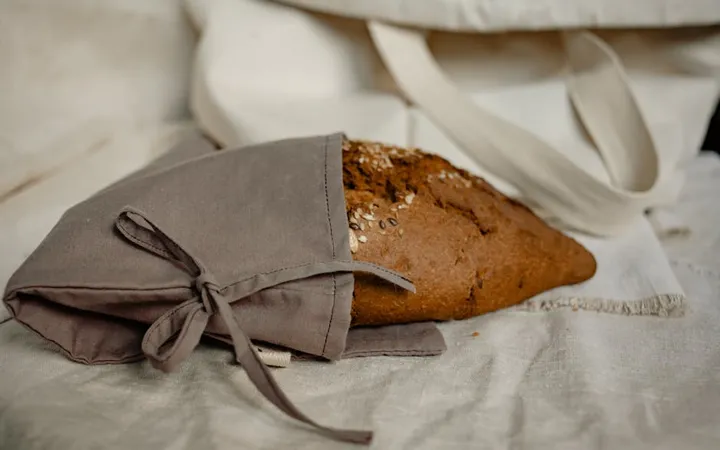
Bread Flour vs All-Purpose: What Actually Changes
The real science behind bread flour and all-purpose flour — protein content, water absorption, gluten development, and when each one matters.
The real science behind bread flour and all-purpose flour — protein content, water absorption, gluten development, and when each one matters.
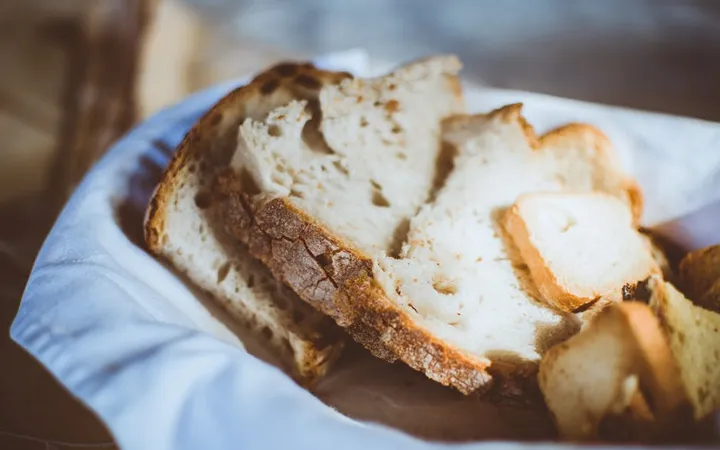
Staling is starch retrogradation, not moisture loss. The refrigerator accelerates it. Here's the science, storage rules, and why toasting reverses it.
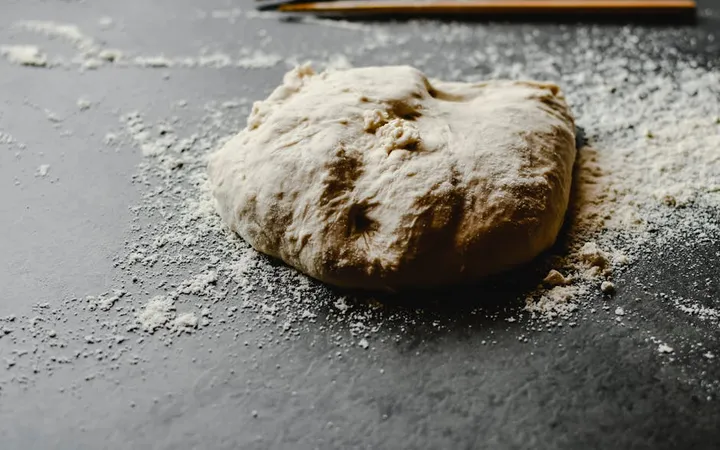
A complete guide to bread hydration -- what baker's percentage means for water, how it changes dough behavior, and why the recipe number isn't always right.
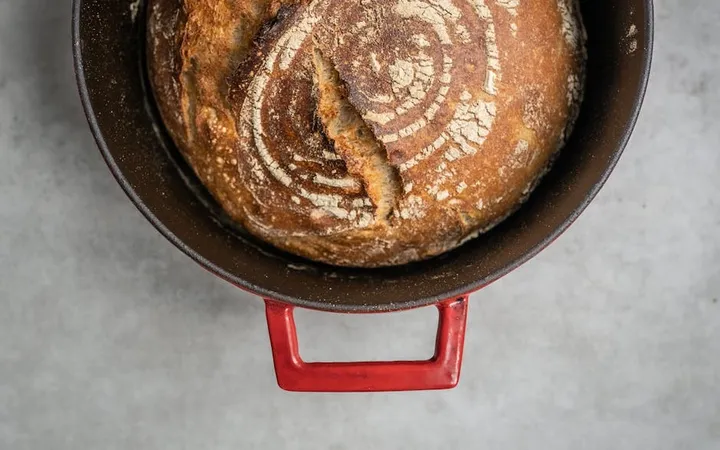
The real microbiology of sourdough starters -- specific bacteria and wild yeasts, why geography doesn't matter, and how to control flavor.
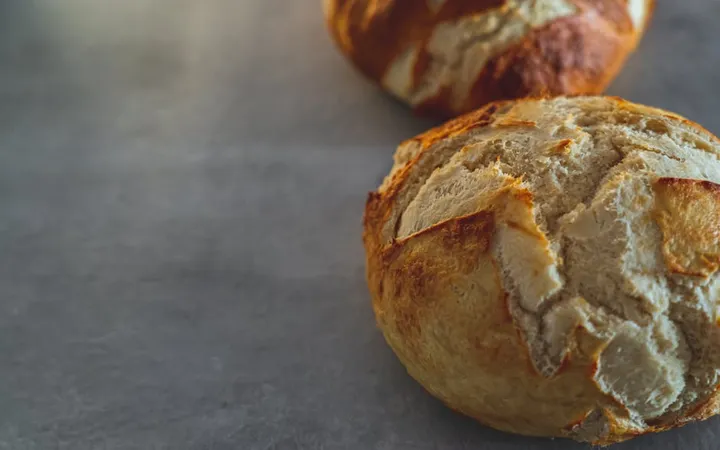
The chemistry behind bread crust flavor -- amino acids, reducing sugars, and heat create hundreds of flavor compounds above 250 degrees F.
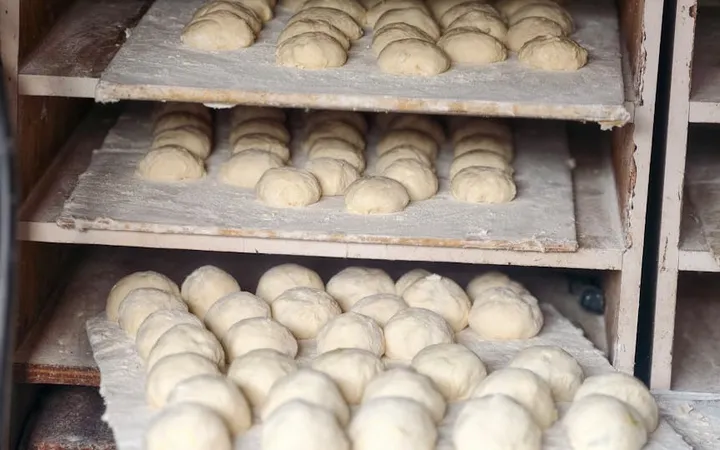
Everything happening inside your dough -- glycolysis, CO2, enzyme activity, yeast behavior, and the temperature rules that control it all.
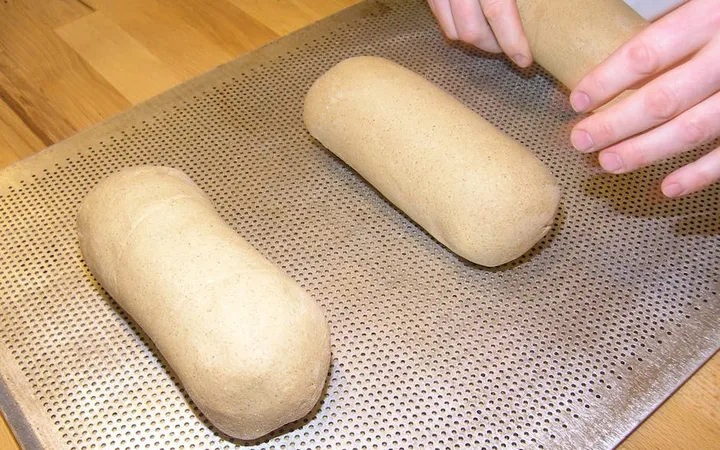
The real science of gluten in bread -- glutenin, gliadin, disulfide bonds, and why different flours make different bread.