Technique
Bread Troubleshooting: 20 Problems Solved
Every common bread problem from dense crumb to pale crust diagnosed and fixed with specific, actionable solutions.
Every common bread problem from dense crumb to pale crust diagnosed and fixed with specific, actionable solutions.
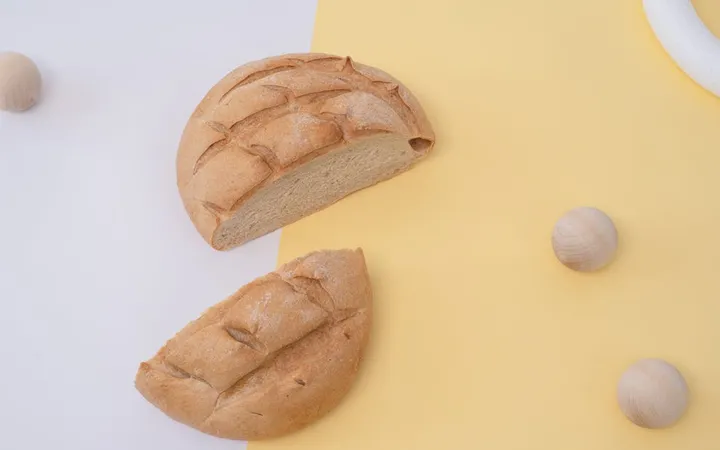
Gummy sourdough has a short list of causes. Most of the time, you cut the bread too soon. Here's how to diagnose and fix it.
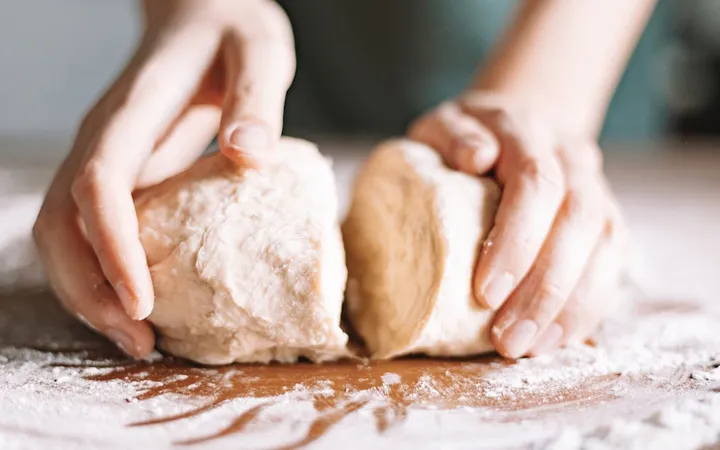
Sticky dough isn't always a problem. Learn when stickiness is normal, when it's not, and the real fixes that work.
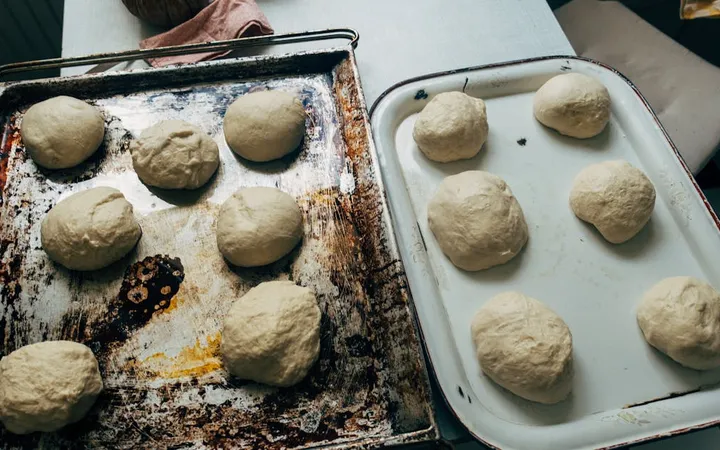
Visual and tactile diagnostics for overproofed and underproofed bread with crumb signs, the poke test, and proofing fixes.
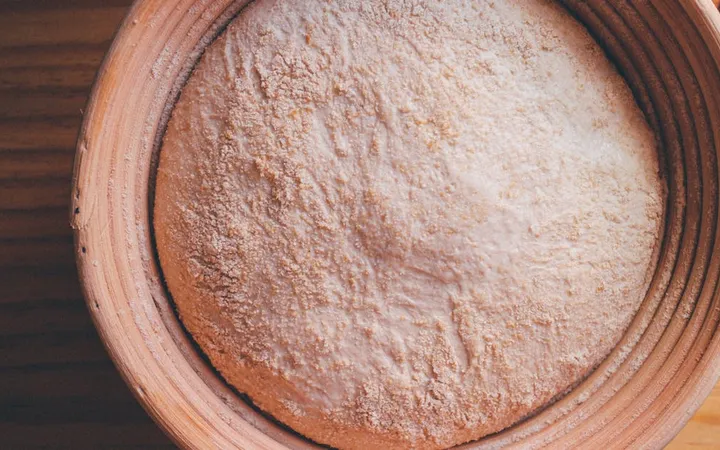
Every reason your sourdough starter isn't rising with specific fixes for new starters, established cultures, and starters that smell wrong.
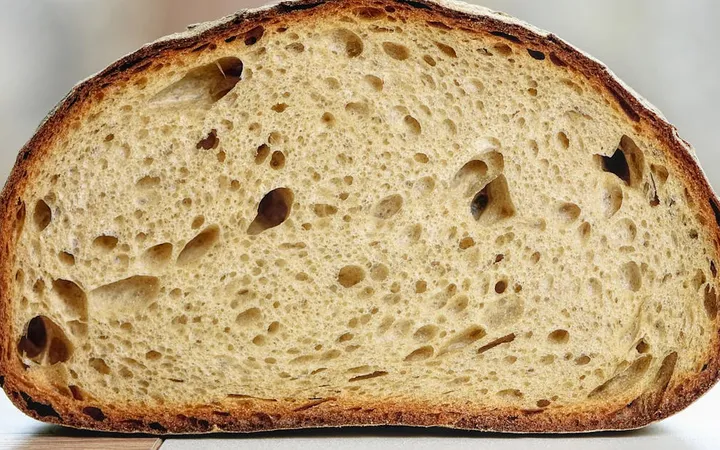
A complete diagnostic guide for dense bread covering under-fermentation, shaping, oven problems, and flour issues with specific fixes.
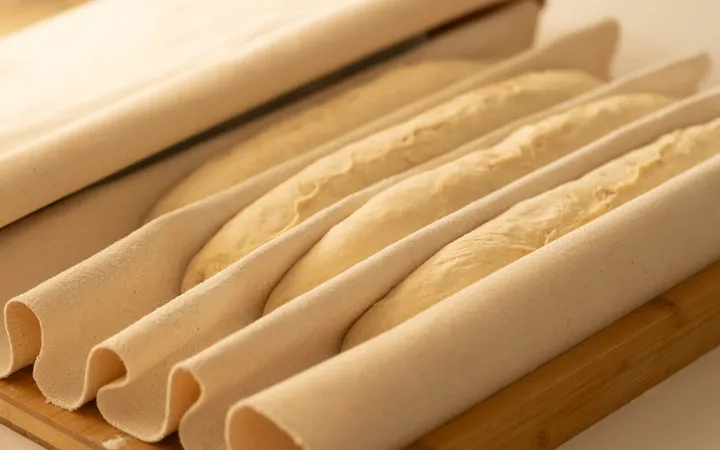
How stretch-and-fold builds gluten without a mixer, why it produces better bread for high-hydration doughs, and schedules from every major baker.
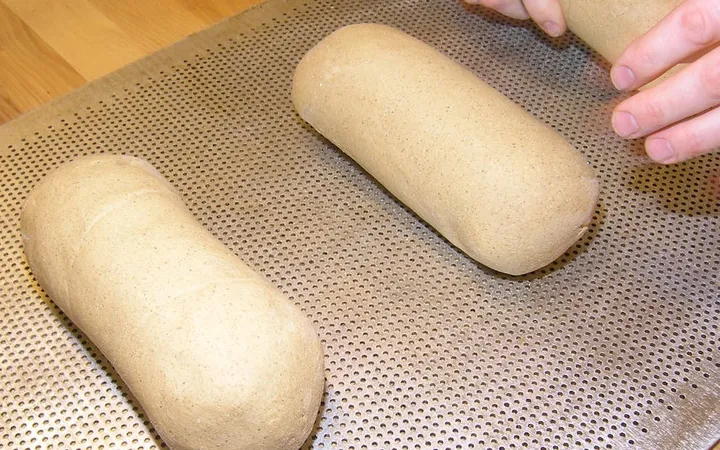
The finger-dent test is the simplest way to judge proofing. Learn what each poke response means and when to bake.
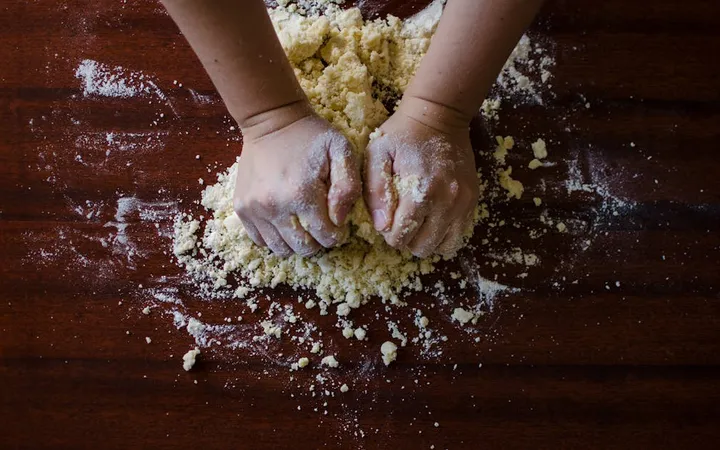
A complete guide to kneading bread by hand and machine — the pincer method, stand mixer timing, the windowpane test, and when to skip it.
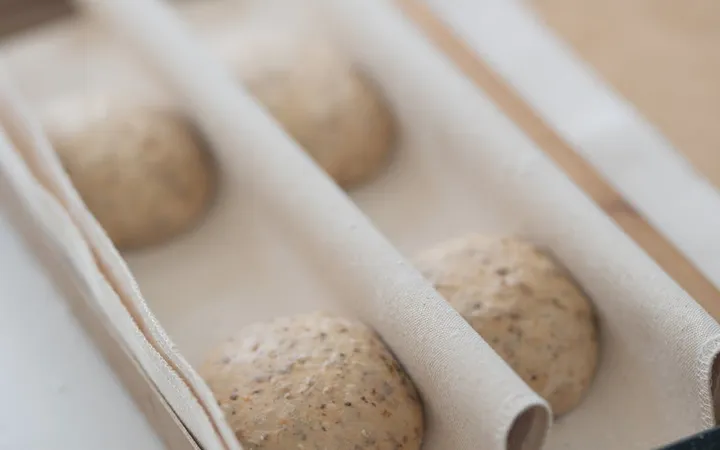
How cold fermentation improves bread flavor and handling, and how to use overnight retarding for better loaves on your schedule.
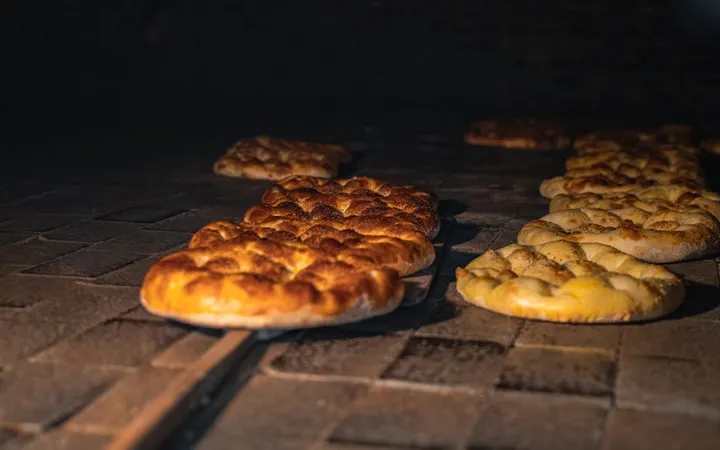
Steam transforms bread crust from thick and dull to thin, glossy, and deeply caramelized. Here's the science and every home method that works.
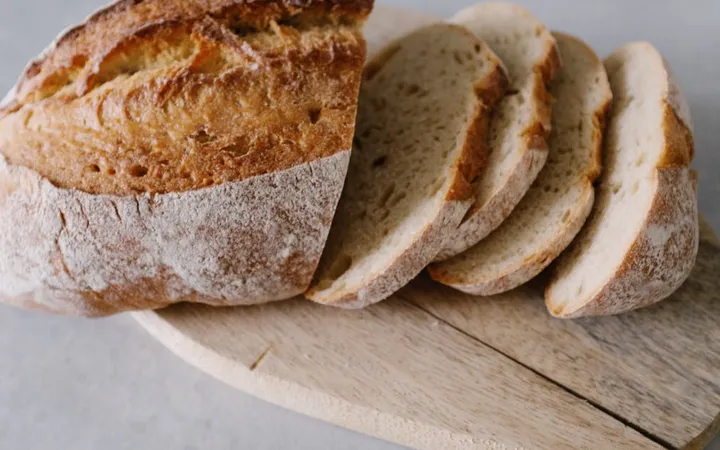
Scoring controls how bread expands in the oven. Here's the technique, the tools, the patterns, and when to skip it entirely.
Three essential bread shapes with the specific techniques that create surface tension and hold structure through proofing and baking.
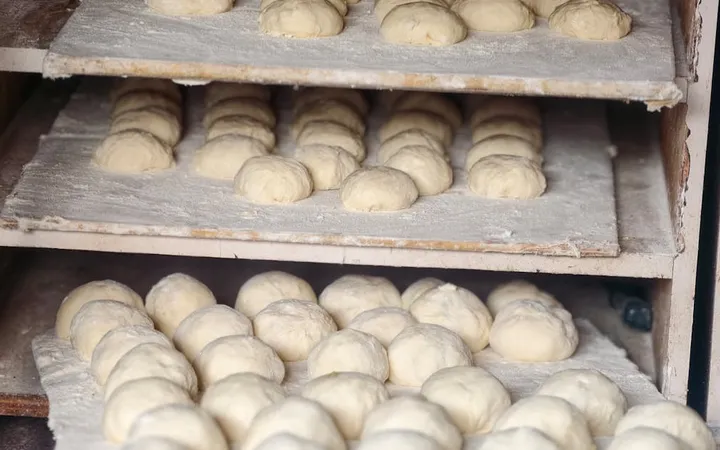
Everything about bulk fermentation — folding schedules, volume targets, temperature effects, and how to know when it's done.
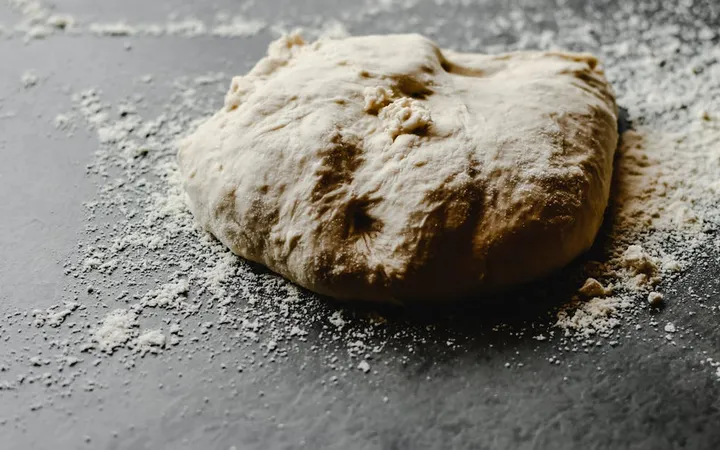
The autolyse rest transforms shaggy flour and water into smooth, extensible dough with less mixing. Here's exactly how it works.