Technique
How to Score Bread: Patterns and Technique
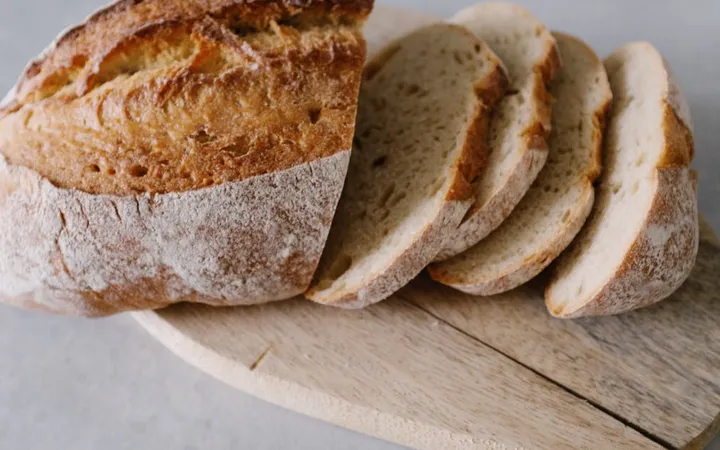
Scoring controls how bread expands in the oven. Here's the technique, the tools, the patterns, and when to skip it entirely.
Scoring controls how bread expands in the oven. Here's the technique, the tools, the patterns, and when to skip it entirely.
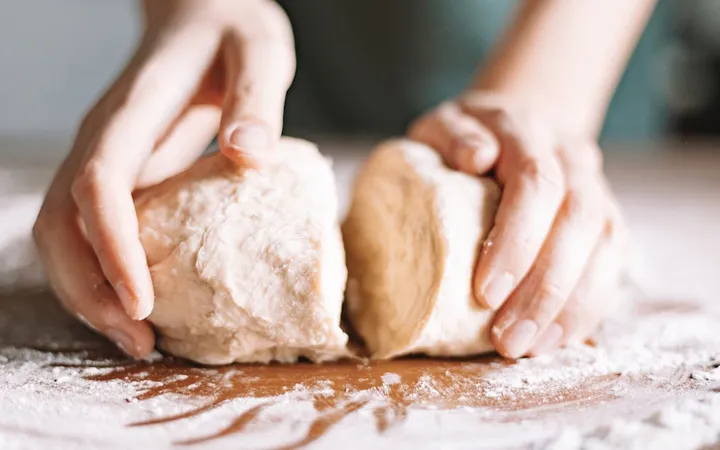
Three essential bread shapes with the specific techniques that create surface tension and hold structure through proofing and baking.
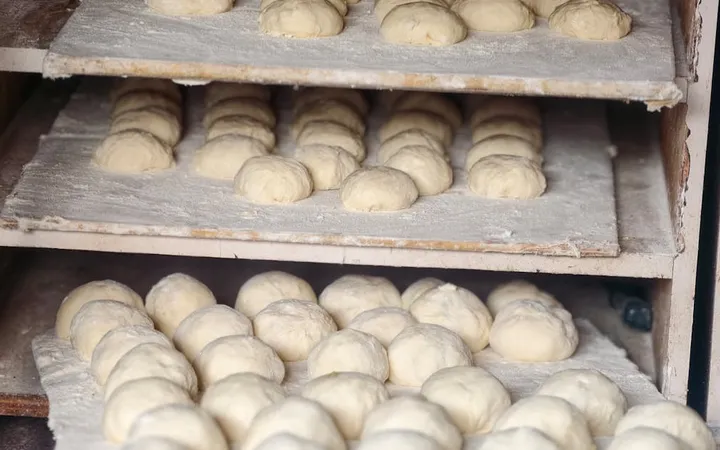
Everything about bulk fermentation — folding schedules, volume targets, temperature effects, and how to know when it's done.
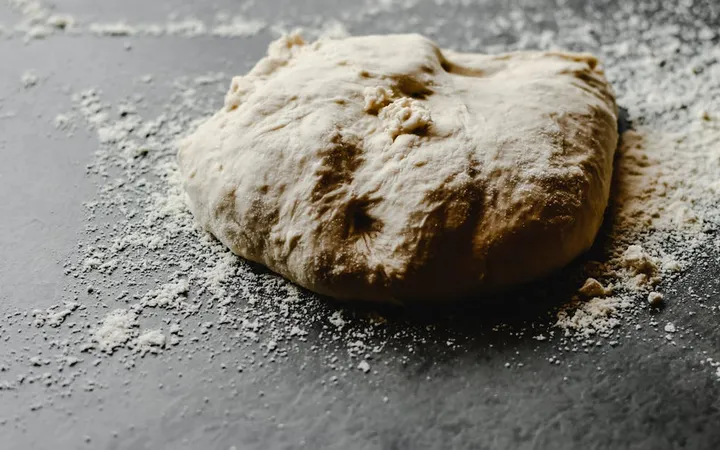
The autolyse rest transforms shaggy flour and water into smooth, extensible dough with less mixing. Here's exactly how it works.
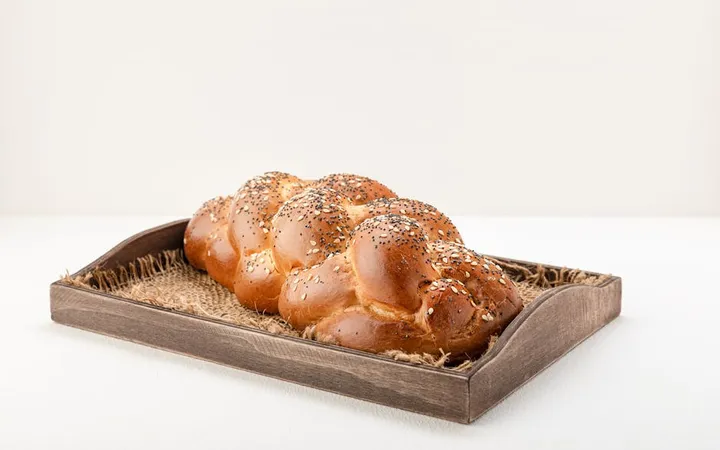
How to make challah -- the enriched braided bread with golden egg-washed crust. Formula, 3-strand and 6-strand braiding, and variations.
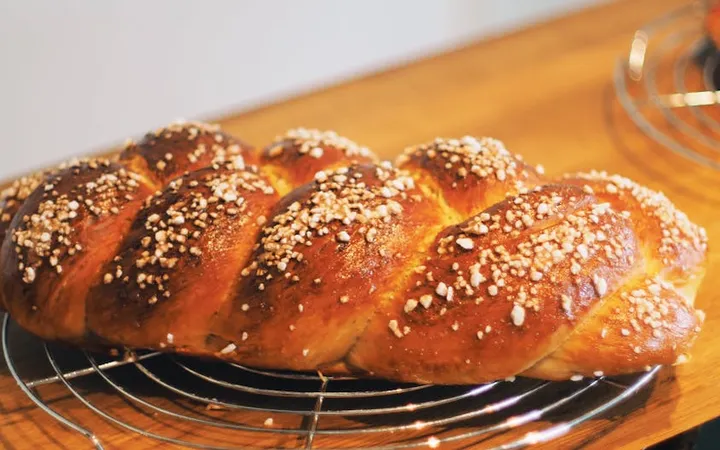
How to make brioche -- 50% butter, two-phase mixing, temperature management, and why you must develop gluten before adding fat.
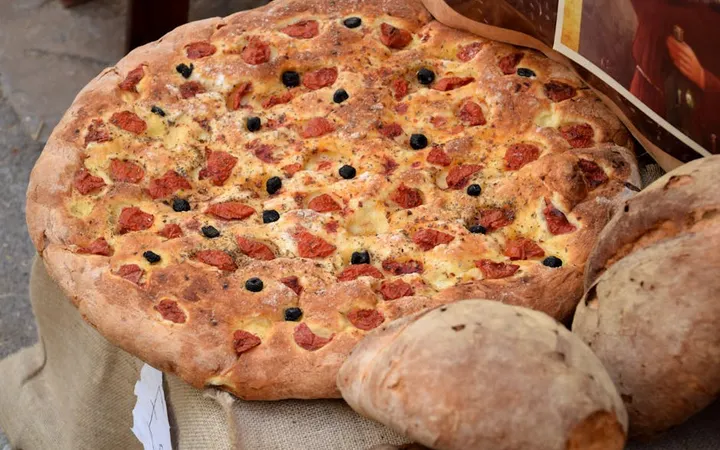
How to make focaccia -- high hydration, olive oil technique, pan selection, dimpling, cold fermentation, and topping strategy.
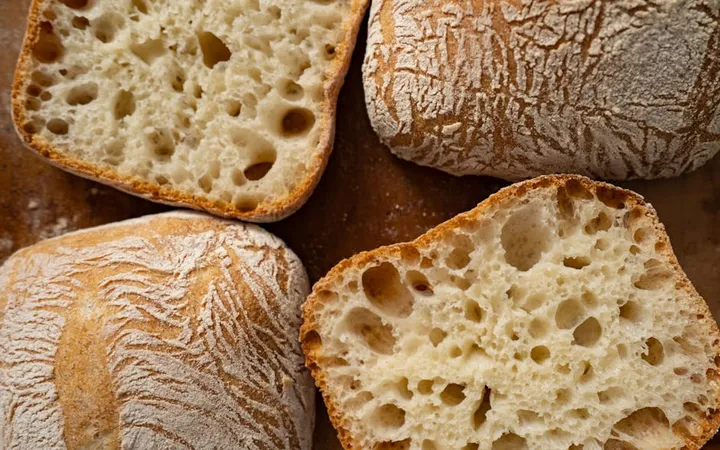
How to make ciabatta -- two methods (biga and overnight autolyse), bassinage technique, and why handling less produces more holes.
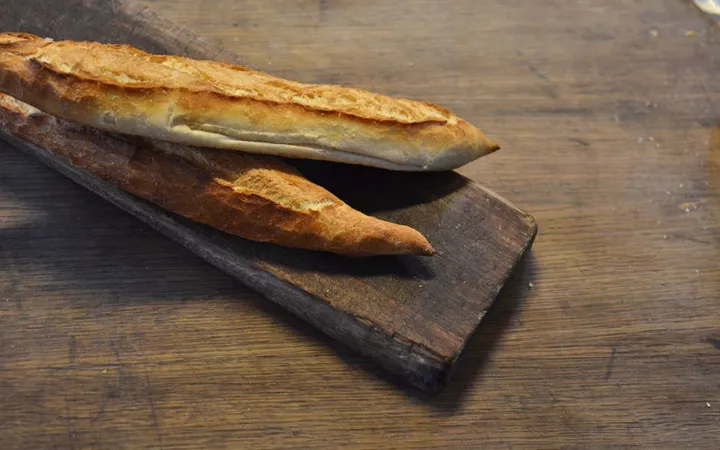
Three proven paths to a great home baguette -- poolish, pate fermentee, and cold-retard tradition -- with shaping, scoring, and baking techniques.
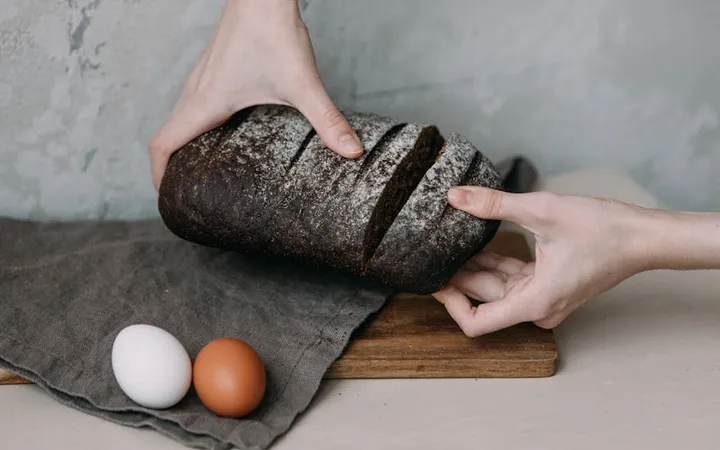
A complete guide to rye bread -- why rye plays by different rules, the rye percentage spectrum, sourdough acidification, and five styles to try.
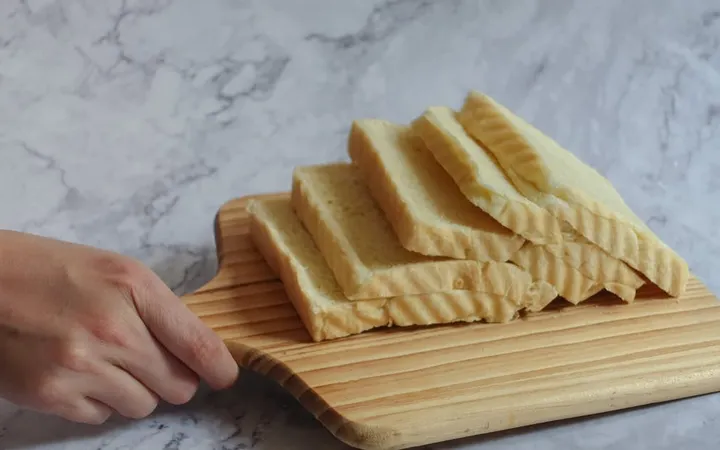
Learn why bread goes stale, why refrigeration makes it worse, and the best storage methods for every bread type. Plus how to freeze and revive stale bread.
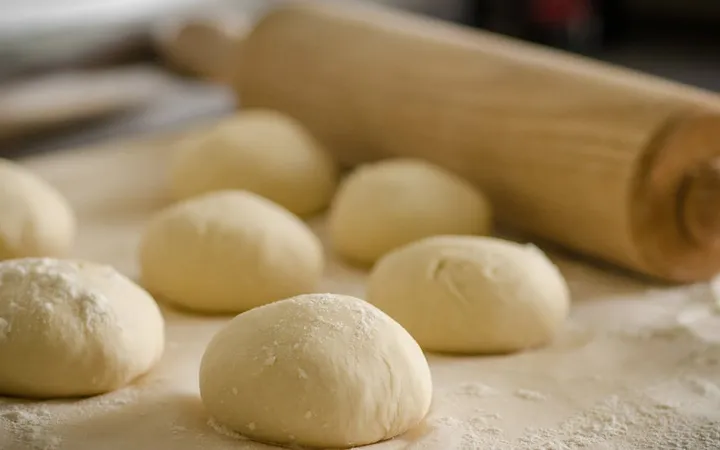
Learn the DDT formula for stand mixers, spiral mixers, and hand mixing. Control your fermentation timeline with precise water temperature calculations.
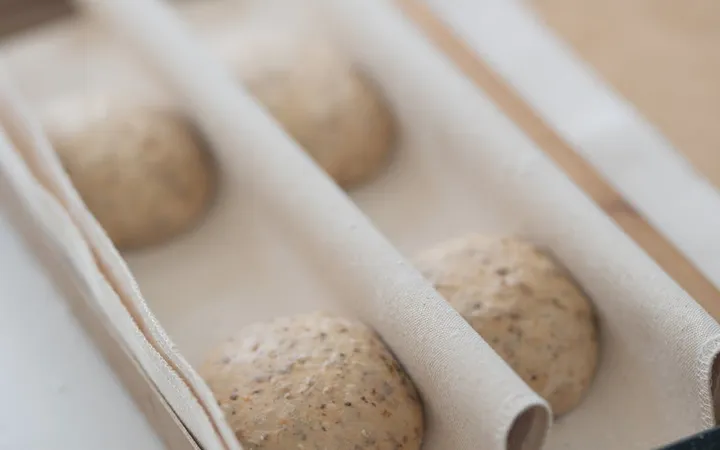
Learn the differences between poolish, biga, pate fermentee, and sourdough levain — and when to use each pre-ferment in your bread.
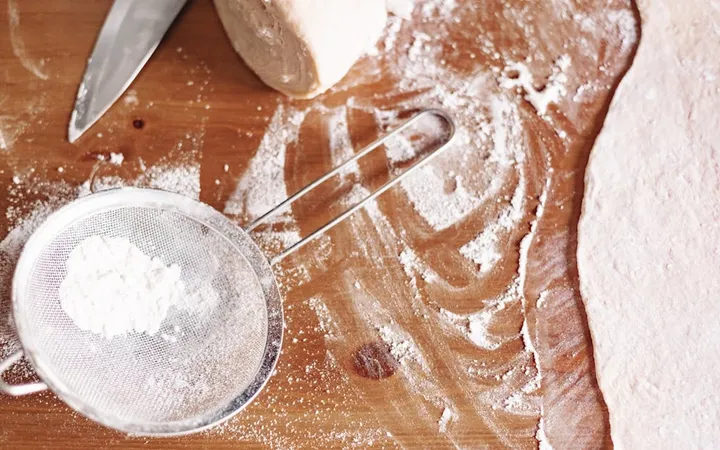
Learn how baker's percentages work, how to scale any bread formula, and how to convert cup recipes to weight-based formulas.
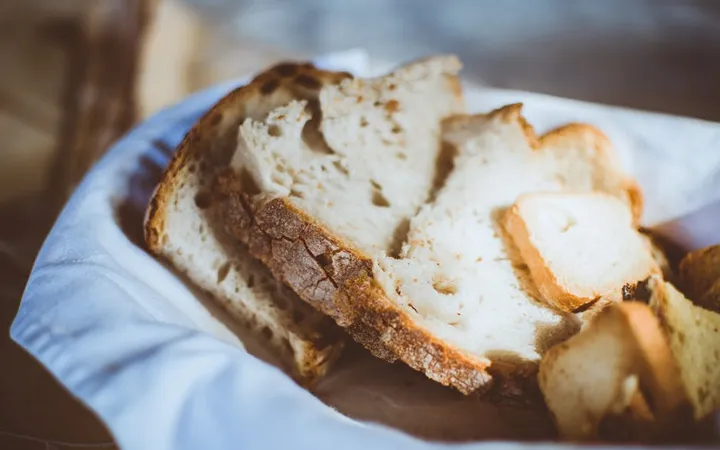
Staling is starch retrogradation, not moisture loss. The refrigerator accelerates it. Here's the science, storage rules, and why toasting reverses it.