Sourdough discard is the portion of starter removed before feeding. It's past peak yeast activity but loaded with flavor compounds -- lactic and acetic acids, alcohols, and fermentation byproducts. Use it in pancakes, crackers, pizza dough, banana bread, and more. The acid in discard reacts with baking soda for immediate chemical leavening, so most recipes need no rising time.
If you maintain a sourdough starter, you produce discard every single day. A standard daily feeding — keeping 100g of mature starter and adding 500g flour and 400g water — means you’re discarding the equivalent of a small loaf’s worth of fermented dough every 24 hours. That’s flour and water that already contains wild yeast, lactic acid bacteria, and developed flavor compounds. Tossing it feels wasteful because it is.
These 10 recipes turn that discard into food worth eating. Not consolation-prize food. Genuinely good food that happens to use something you’d otherwise dump in the trash.
What Is Sourdough Discard, Exactly?
Sourdough discard is the portion of mature starter removed before each feeding. When you retain 100g of starter and feed it fresh flour and water, whatever you scooped out first is discard. It contains the same organisms as your active starter — wild yeast and lactic acid bacteria — but it’s past peak activity. The yeast has consumed most available sugars, and acid has accumulated.
That acid is actually an advantage in cooking. The lactic and acetic acids in discard contribute a mild tang that works beautifully in pancakes, crackers, and pasta dough. Lactic acid gives a creamy, yogurt-like flavor, while acetic acid adds a sharper edge. The ratio depends on how you maintain your starter — warmer, wetter cultures favor lactic acid; cooler, stiffer cultures lean acetic.
Discard Flavor by Age
How storage time shifts the acid balance and best uses
| Discard Age | 01Dominant Acid | 02Flavor Character | 03Best For |
|---|---|---|---|
| Same day (0-6 hrs) | Lactic | Mild, creamy, subtle tang | Pancakes, waffles, banana bread |
| 1-2 days refrigerated | Lactic + some acetic | Moderate tang, complex | Pizza dough, pasta, scones |
| 3-5 days refrigerated | Acetic rising | Noticeably sour, sharp | Crackers, flatbread, pretzels |
| 6-7 days refrigerated | Acetic dominant | Strong tang, vinegary edge | Crackers only (bold flavor) |
Based on 100% hydration starter stored at standard refrigerator temperature (37-40 degrees F).
jayarrbread.comYou can use discard straight from the jar, stored in the fridge for up to a week, or frozen and thawed. The older the discard (within reason), the more sour your results. Fresh discard from this morning’s feeding will be milder than discard that’s been sitting in the fridge for five days.
A Note on Hydration
Most home starters run at 100% hydration — equal parts flour and water by weight. The recipes below assume this. If your starter is stiffer (like an 80% hydration levain), you’ll need to adjust liquid in the recipe slightly upward. If you’re not sure what hydration your starter is, you probably built it with equal weights of flour and water, which means 100%.
For a deeper understanding of how hydration affects dough, see our hydration guide.
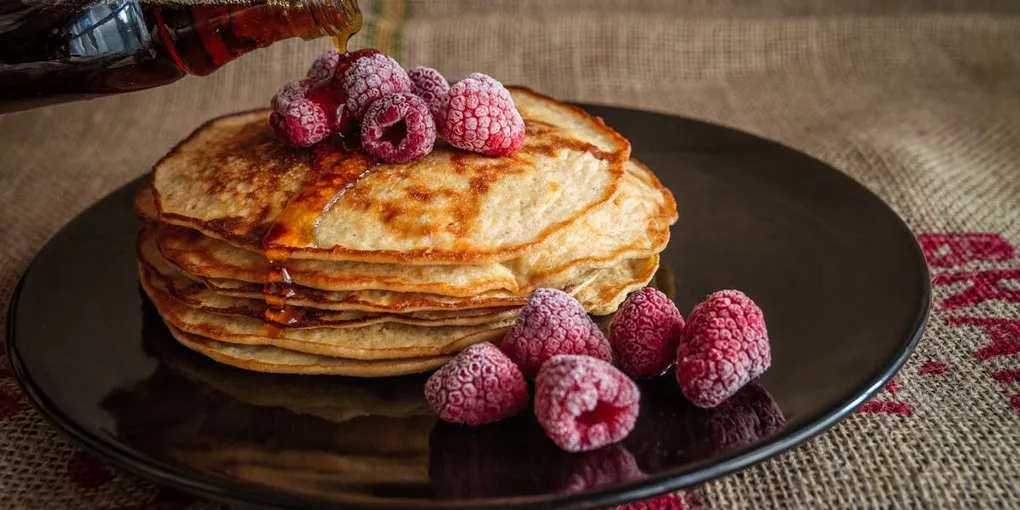
1. Sourdough Discard Pancakes
The best gateway discard recipe. The acidity in the discard reacts with baking soda to produce extra lift, giving you pancakes that are both fluffy and tangy.
Makes: 8-10 pancakes
- 200g sourdough discard (100% hydration)
- 1 large egg
- 2 tablespoons melted butter or oil
- 1 tablespoon sugar
- 1/2 teaspoon baking soda
- 1/4 teaspoon salt
- 60g all-purpose flour (optional, for thicker pancakes)
Mix the discard, egg, butter, and sugar. Sprinkle the baking soda and salt over the top and fold in gently — the batter will puff slightly as the acid reacts with the soda. Cook on a medium-hot griddle until bubbles form and edges set, about 2 minutes per side.
The tang is subtle. Kids won’t notice. Adults will ask what’s different. And if you want a make-ahead version of the same batter logic, the discard also makes thin, lacy sourdough discard crepes — mix at night, cook at breakfast.
2. Sourdough Discard Crackers
Thin, crispy, and almost unreasonably addictive. These are the recipe that converts discard skeptics.
Half-sheet baking pan — essential for rolling crackers thin and baking them evenly.
Makes: About 40 crackers
- 200g sourdough discard
- 60g melted butter or olive oil
- 4g salt (about 3/4 teaspoon)
- Optional: dried herbs, sesame seeds, everything bagel seasoning, flaky sea salt
Mix discard with fat and salt. Roll out on parchment paper as thin as you can manage — translucent-thin is the goal. Score into squares or rectangles with a pizza cutter. Sprinkle with toppings. Bake at 350F (175C) for 15-20 minutes until golden and crisp throughout.
These keep in an airtight container for up to a week. They pair well with cheese, hummus, or eaten by the fistful straight from the cooling rack.
3. Sourdough Discard Pizza Dough
Discard makes a surprisingly good pizza base: commercial yeast does the leavening while the fermented flour adds the tang and tenderness that straight pizza dough lacks, plus faster crust browning in the oven. It is a same-day dough — mix, bulk ferment a few hours, ball, and bake hot on a preheated stone or steel.
We gave this one its own recipe with the full method, a 5-hour timeline, and a pure-sourdough variation. See sourdough discard pizza dough.
4. Sourdough Discard Waffles
The waffle iron’s high heat gives you crispy edges and a tender interior, and the discard’s acidity reacts with baking soda for extra lift — more crackle than any buttermilk waffle. An overnight sponge deepens the tang, and the batch freezes for weekday toaster breakfasts.
For the overnight method, the exact ratios, and the chemistry behind the crunch, see sourdough discard waffles.
5. Sourdough Discard Flatbread
A no-yeast, no-rise flatbread that goes from jar to plate in 15 minutes. This is the recipe for when you need bread now and have no patience for fermentation.
Makes: 4 flatbreads
- 200g sourdough discard
- 60g all-purpose flour
- 3g salt
- 1 tablespoon olive oil
Mix into a soft dough. Divide into 4 pieces. Roll each thin on a floured surface. Cook in a dry cast-iron skillet over medium-high heat, about 2 minutes per side, until charred spots appear.
Brush with garlic butter while hot. Use for wraps, alongside soup, or as a vehicle for whatever’s in the fridge. For a Mexican-style flour version that stays pliable for days, see our sourdough discard tortillas.
6. Sourdough Discard Banana Bread
The fermented tang of the discard complements ripe bananas the way buttermilk does, but with more complexity — and because discard is more acidic than buttermilk, it fires the baking soda harder for a taller dome and a tenderer crumb. It is a one-bowl, no-mixer bake.
Get the full one-bowl recipe, the three-way variation card, and the doneness cues in sourdough discard banana bread. The same acid-plus-baking-soda trick powers our sourdough discard muffins.
7. Sourdough Discard Pasta
Fresh pasta made with discard has a subtle tang that works particularly well with rich sauces — carbonara, bolognese, brown butter and sage.
Makes: 4 servings
- 200g sourdough discard (100% hydration, so roughly 100g flour and 100g water)
- 200g all-purpose flour or 00 flour
- 2 eggs
- 1/2 teaspoon salt
Mound the flour on a clean surface. Make a well. Add eggs, salt, and discard to the well. Gradually incorporate flour into the wet center with a fork, then knead by hand for 8-10 minutes until smooth and elastic. Rest covered for 30 minutes minimum — the gluten needs time to relax before rolling. Roll and cut to desired shape.
The discard replaces some of the liquid in a standard pasta recipe. Because it contains flour already, the total flour-to-liquid ratio stays balanced. If your dough feels too wet, add flour a tablespoon at a time.
8. Sourdough Discard Cornbread
Southern-style cornbread meets sourdough culture. The tang from the discard replaces the buttermilk in traditional recipes, and the fermented flour adds a depth that straight cornmeal can’t achieve on its own.
Makes: 1 skillet (8-10 servings)
- 200g sourdough discard
- 150g cornmeal
- 1 egg
- 60g melted butter (plus more for the skillet)
- 1 tablespoon sugar (optional — this is a regional debate, not a baking one)
- 1/2 teaspoon baking soda
- 1/4 teaspoon salt
Preheat oven to 425F (220C) with a cast-iron skillet inside. Mix all ingredients. Add a tablespoon of butter to the hot skillet, swirl to coat, pour in batter. Bake 20-25 minutes until golden and set.
The hot-skillet method gives you a crispy bottom crust that shatters when you cut into it.
9. Sourdough Discard Scones
These are weekend scones — tender, flaky, with just enough tang to make you wonder what’s different. The discard replaces the buttermilk or cream in a traditional scone recipe, and because it is more acidic it fires the baking powder harder for a taller, more dramatically cracked rise.
We gave this one its own recipe, with the cold-butter lamination method, a letter fold that builds flaky layers, and four mix-in directions. See sourdough discard scones.
10. Sourdough Discard Pretzels
Soft pretzels with a sourdough backbone. The discard contributes flavor and tenderizes the crumb while commercial yeast handles the rise — you get pretzel architecture with fermented depth, finished in an alkaline bath for the signature mahogany crust.
Get the full method — including the real Bavarian lye bath (with a complete safety protocol) and a safer baked-baking-soda alternative — in sourdough discard soft pretzels.
Newest addition to the roster: the single most-requested discard bake finally has its own page — sourdough cookies, one master base that flexes into chocolate chunk, oatmeal raisin, snickerdoodle, double chocolate, and peanut butter, with the discard’s acidity doing the balancing work that salt and espresso powder do in other recipes.
Storing Discard for Recipes
You don’t need to use discard the day you produce it. Keep a jar in the fridge and add to it throughout the week. Accumulated discard stays viable for cooking and baking for up to 7 days refrigerated. After that, the acid level climbs high enough to produce off-flavors.
For longer storage, freeze discard in measured portions — 200g per bag or ice cube trays for smaller amounts. Thaw overnight in the fridge before using. Frozen discard works in every recipe listed here, though the yeast and bacteria won’t survive freezing. That’s fine — in these recipes, the discard is contributing flavor and fermented-flour texture, not leavening power.
You can also accumulate discard from different feedings in the same jar. Monday’s discard and Thursday’s discard can coexist in the fridge. The only issue is tracking quantity — if a recipe calls for 200g of discard, weigh it rather than guessing.
How Long Does Discard Last?
Storage timeline from fresh to frozen
- 01
Day 0
Fresh discardMildest flavor, most versatile. Works in every recipe listed here.
- 02
Days 1-3
Fridge storageTang develops as acetic acid rises. Ideal for most recipes -- good balance of flavor and versatility.
- 03
Days 4-7
Still usableStronger tang, noticeably sour. Best for crackers and bold-flavored recipes where acidity is an asset.
- 04
Day 7+
Discard the discardOff-flavors develop. Risk of spoilage. If pink, orange, or moldy, throw it out entirely.
- 05
Frozen
Months of storageFlavor compounds survive freezing. Organisms die, but that's fine -- discard recipes don't rely on live yeast for leavening.
Based on 100% hydration discard stored at 37-40 degrees F.
jayarrbread.comWhy Discard Recipes Work: The Chemistry
The baking soda connection is worth understanding. Baking soda (sodium bicarbonate) is a base. It reacts with acids to produce CO2 gas — the same gas that yeast produces, just through a chemical reaction instead of biological fermentation. Sourdough discard is acidic (typical pH of 3.5-4.5 depending on age and feeding schedule). When baking soda meets discard, the reaction produces immediate lift.
This is why discard pancakes and waffles are so effective. The acid-base reaction happens as soon as you mix the batter, producing bubbles that create a light, airy texture. No rising time needed. No yeast activity required. Just chemistry.
Baking powder (which contains both an acid and a base) provides a second leavening option for recipes where the discard’s acidity alone isn’t enough. The double-acting versions release CO2 twice — once when mixed with liquid, and again when heated in the oven.
What About the Leavening?
You’ll notice most of these recipes use baking soda, baking powder, or commercial yeast for their rise — not the discard itself. That’s intentional. Discard is past peak fermentation activity. Its yeast population has already consumed most available sugars and is winding down. You can’t reliably count on it for rise the way you can with a freshly fed, active starter.
What discard does bring is flavor from fermentation — organic acids, alcohols, and the complex byproducts of hours of microbial activity. Those flavor compounds are why discard pancakes taste better than regular pancakes, and why discard crackers have a depth that’s hard to explain until you try them.
How Much Discard Does a Starter Produce?
More than you think. Forkish’s standard daily feeding retains 100g of mature starter and adds 500g of flour and 400g of water. That means you’re discarding roughly 900g of starter every single day — the previous day’s total minus the 100g you keep. Even more conservative feeding schedules (keeping 50g, adding 100g flour and 100g water) produce 200g of daily discard.
Over a week, a typical home starter produces 1-2kg of discard. That’s enough for pancakes Monday, crackers Wednesday, pizza dough Friday, and banana bread Sunday — with some left over.
The alternative is throwing it away, which means dumping flour and water you already paid for. Even at grocery-store flour prices, a year of daily feedings represents a meaningful amount of ingredients going into the trash. These recipes turn that cost center into actual food.
For more on the science behind what’s happening in your starter jar, see our sourdough starter science guide and fermentation science deep dive.
If you’re ready to build a starter from scratch, our starter guide walks through the full process. And for maintenance, see our sourdough feeding schedule.
Frequently Asked Questions
- Can I use sourdough discard straight from the fridge?
- Yes. Cold discard works in every recipe in this article. For pancakes, waffles, and flatbreads, the batter or dough will be slightly cooler, which means the first few may take an extra 30 seconds on the griddle. For baked goods like banana bread and scones, cold discard has no noticeable effect on the result.
- How long does sourdough discard last in the fridge?
- Discard stays usable for cooking and baking for about 7 days in the fridge. After that, the acidity climbs high enough to produce bitter or sharp off-flavors. If it develops mold or a pink/orange tinge, discard it entirely. For longer storage, freeze in measured portions -- the flavor compounds survive freezing even though the live organisms don't.
- Does sourdough discard have enough yeast to leaven bread?
- Not reliably. Discard is past peak activity -- the yeast has consumed most available sugars and acid has accumulated, which slows yeast further. That's why the recipes in this article use baking soda, baking powder, or commercial yeast for leavening. The discard contributes fermented flavor and texture, not rise.
- Can I substitute discard in any recipe that calls for flour and water?
- In principle, yes -- since 100% hydration discard is half flour and half water by weight, you can subtract equal amounts of flour and water from any recipe and replace them with discard. In practice, the acidity of the discard can affect gluten development and leavening chemistry, so start with recipes designed for discard before experimenting with substitutions in delicate bakes.
- What's the difference between using fresh starter and discard?
- Fresh, recently fed starter is at peak yeast activity -- bubbly, risen, passing the float test. It can leaven bread. Discard is starter that has consumed its food supply and is past peak. It still contains all the flavor compounds from fermentation -- organic acids, alcohols, esters -- but its leavening power is unreliable. Recipes that call for active starter need the fresh version; recipes in this article are designed for discard.