Stale bread is a better ingredient than fresh bread in at least ten classic recipes: croutons, breadcrumbs, panzanella, French onion soup, bread pudding, ribollita, strata, bruschetta, soup thickener, and French toast. The firmer, drier structure of 2-4 day old bread absorbs custard, soaks up dressings, and holds its shape under heat in ways fresh bread cannot. Heat above 140 degrees Fahrenheit reverses staling at the starch level, which is why every recipe below uses heat.
Chad Robertson writes in Tartine Bread that “the large country loaves are designed to be eaten over several days,” and devotes an entire chapter to what comes after the first slice. His position is clear: “Resourceful use of stale bread is a tradition as old as bread itself; wasting it is a modern failure.”
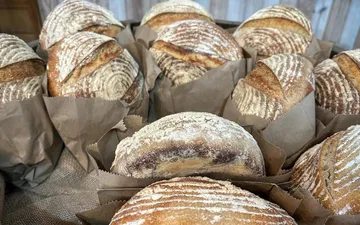
He’s right. For centuries, stale bread wasn’t a problem to solve — it was an ingredient to cook with. Bread pudding, panzanella, ribollita, French onion soup, and pain perdu all exist because someone looked at yesterday’s loaf and saw potential instead of waste. Every recipe below works best with bread that’s 2-4 days old. Too fresh and it won’t absorb properly. Too far gone and it’s better as breadcrumbs.
Before we get into the recipes, a quick note on the science: bread goes stale through retrogradation, not drying out. Starch molecules that gelatinized during baking slowly re-crystallize, pushing water from the crumb toward the crust. The bread firms up even in a sealed bag. But retrogradation is reversible — heating bread above 140 degrees Fahrenheit (60 degrees Celsius) melts those starch crystals. That’s why toasting or warming revives day-old bread, and why almost every recipe below involves heat.
For the full science of staling and the storage rules that follow from it, see our guides on why bread goes stale and how to store bread properly.
10 Ways to Use Stale Bread
Matched by bread type and staleness level
Croutons
- Best bread
- Sourdough, country
- Staleness
- 2-5 days
- Effort
- Low
- Time
- 15 min
- Cube, toss with oil & herbs, bake 375F for 12-15 min
- Keeps 2 weeks in airtight container
Breadcrumbs
- Best bread
- Any bread
- Staleness
- 2-7+ days
- Effort
- Low
- Time
- 20 min
- Fresh: pulse in food processor
- Dried: bake 300F for 10-15 min, pulse again
- Freeze for 3 months
Panzanella
- Best bread
- Crusty artisan
- Staleness
- 2-3 days
- Effort
- Low
- Time
- 25 min
- Peak-season tomatoes are essential
- Let sit 15-20 min so bread absorbs juices
French Onion Soup
- Best bread
- Sourdough, country
- Staleness
- 2-4 days
- Effort
- Medium
- Time
- 90 min
- Bread is structural — supports cheese layer
- Toast slices first for longer hold
Bread Pudding
- Best bread
- Brioche, challah
- Staleness
- 2-4 days
- Effort
- Medium
- Time
- 90 min + soak
- Drier bread = more custard absorbed
- Soak 30 min minimum, overnight is better
Ribollita
- Best bread
- Country, whole wheat
- Staleness
- 3-5 days
- Effort
- Medium
- Time
- 60 min
- Bread dissolves into soup as thickener
- Better the next day
Strata
- Best bread
- Country, sourdough
- Staleness
- 2-4 days
- Effort
- Medium
- Time
- Overnight + 55 min
- Must refrigerate overnight
- Perfect make-ahead brunch
Bruschetta
- Best bread
- Crusty artisan
- Staleness
- 1-3 days
- Effort
- Low
- Time
- 10 min
- Grill or broil, rub with cut garlic
- Rough surface grates garlic naturally
Soup Thickener
- Best bread
- Any white bread
- Staleness
- 3-7+ days
- Effort
- Low
- Time
- 15-20 min
- Tear and add to simmering soup
- 2-3 slices thicken a full pot
French Toast
- Best bread
- Brioche, challah
- Staleness
- 1-3 days
- Effort
- Low
- Time
- 15 min
- 'Pain perdu' = lost bread
- Stale bread absorbs more custard = richer result
Retrogradation (staling) is reversible at 140F+ — every recipe here uses heat to transform stale bread back into something better than the original.
jayarrbread.com1. Croutons
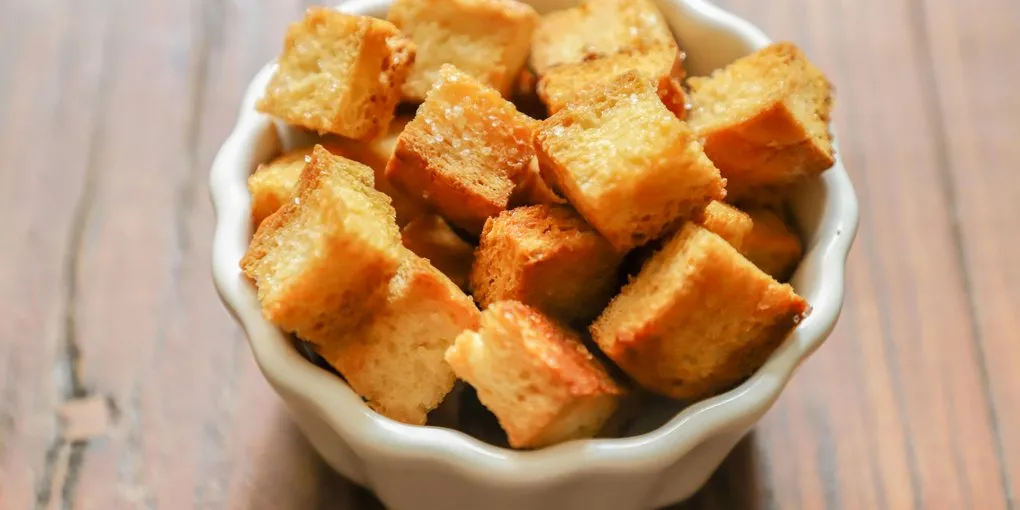
Croutons are the simplest and most universally useful transformation of stale bread. Cut stale bread into 3/4-inch cubes, toss with olive oil, salt, and whatever aromatics you want (garlic powder, dried herbs, grated Parmesan), and bake at 375 degrees Fahrenheit for 12-15 minutes, tossing halfway through. The outside crisps while the inside stays slightly chewy.
The key variable is the bread. Dense sourdough country bread makes sturdy, crunchy croutons that hold up in Caesar salad. Lighter country bread makes more delicate croutons that work in tomato soup. Rye bread croutons are underrated — the caraway and sour notes pair well with beet or lentil soup.
Store in an airtight container at room temperature for up to 2 weeks.
2. Breadcrumbs (Fresh and Dried)
Every home baker should maintain a bag of homemade breadcrumbs in the freezer. They are better than store-bought in every way — more flavor, better texture, no preservatives.
Fresh breadcrumbs: Tear stale bread into chunks and pulse in a food processor until you get irregular, coarse crumbs. Use immediately for coating chicken, topping mac and cheese, or binding meatballs. Fresh breadcrumbs freeze well for 3 months.
Dried breadcrumbs: Spread fresh breadcrumbs on a sheet pan and bake at 300 degrees Fahrenheit for 10-15 minutes until completely dry and golden. Cool, then pulse again for a finer texture. These keep at room temperature in a sealed jar for months.
Panko-style: Freeze stale bread, then grate on a box grater while still frozen. The ice crystals create the shaggy, airy texture that makes panko crumbs so effective at creating crispy coatings.
3. Panzanella (Tuscan Bread Salad)
Panzanella is the dish that makes you grateful your bread went stale. Robertson highlights it as one of the best uses for stale Tartine bread, and it’s hard to argue.
Tear day-old bread into rough 1-inch pieces. If the bread is only a day old and still somewhat soft, toast the pieces at 375 degrees Fahrenheit for 8-10 minutes to dry them out. Toss with peak-season tomatoes (cut into chunks, salted, juices reserved), thinly sliced red onion soaked in cold water for 10 minutes, torn basil, good olive oil, and red wine vinegar. Let it sit for 15-20 minutes so the bread absorbs the tomato juices and dressing.
The bread should be saturated but not disintegrating — tender and juicy with some structural integrity remaining. This only works with good, crusty, artisan bread. Standard sandwich bread turns to paste.
4. French Onion Soup
The bread in French onion soup is not a garnish — it is structural. Thick slices of stale bread soak up the deeply caramelized onion broth, creating a layer that supports the melted Gruyere on top while adding body to every spoonful.
Slice stale bread into rounds that fit your oven-safe crocks. Toast lightly so they hold up longer in the hot broth. Ladle rich onion soup over the bread, top with a generous pile of grated Gruyere and a smaller amount of Parmesan, and broil until the cheese is bubbling and browned at the edges. The bread transforms from stale and firm into a savory, broth-soaked layer that is the best part of the bowl.
Sourdough and country bread are ideal here. The slight tang plays against the sweet caramelized onions.
5. Bread Pudding
Bread pudding is stale bread’s highest calling in the dessert world. The drier the bread, the more custard it absorbs — and more absorbed custard means a richer, better-set pudding.
Cut stale bread into 1-inch cubes (about 6 cups for a standard 9x13 pan). Whisk together 4 eggs, 2 cups whole milk, 1 cup heavy cream, 3/4 cup sugar, 1 tablespoon vanilla, and a pinch of salt. Pour over the bread cubes, press down gently so every piece contacts the custard, and let it soak for at least 30 minutes (or refrigerate overnight). Bake at 350 degrees Fahrenheit for 45-55 minutes until the top is golden and a knife inserted in the center comes out clean.
Enriched breads — brioche, challah, cinnamon raisin — make the richest bread pudding because the butter and eggs already in the bread amplify the custard. Plain white sourdough makes a more restrained version with better texture contrast between the crispy top cubes and the custardy interior.
6. Ribollita (Tuscan Bread Soup)
Ribollita means “reboiled” in Italian. It is a soup that improves every time you reheat it. Stale bread breaks down into the broth, thickening it into something between soup and porridge.
Saute onion, carrot, and celery in olive oil. Add canned tomatoes, cooked cannellini beans, and any dark leafy greens (lacinato kale is traditional). Simmer for 20 minutes. Tear stale bread into rough pieces and stir into the soup. Cook another 15-20 minutes until the bread dissolves into the base, thickening it significantly. Adjust with broth if it is too thick. Season with salt, pepper, and a generous drizzle of good olive oil to finish.
Ribollita is better the next day. The bread continues to absorb liquid and the flavors meld. Make a big pot.
7. Strata (Savory Bread Pudding)
A strata is essentially bread pudding’s savory cousin — cubed stale bread soaked in an egg-milk custard with cheese, vegetables, and/or meat, then baked. It is the perfect make-ahead brunch because it must sit overnight to let the bread absorb the custard.
Layer cubed stale bread with sauteed vegetables (mushrooms, spinach, peppers), cooked sausage or bacon if you want, and generous handfuls of grated cheese (cheddar, Gruyere, or fontina) in a buttered baking dish. Whisk together eggs, milk, salt, pepper, and a pinch of mustard powder. Pour over the layers, press down, cover, and refrigerate overnight. Bake at 350 degrees Fahrenheit for 45-55 minutes until puffed and golden.
Country bread and sourdough work best here. The sturdier crumb holds its shape better than soft sandwich bread.
8. Bruschetta Base
Bruschetta is grilled or toasted bread rubbed with garlic and drizzled with olive oil. That is it. The bread is the star, and stale bread that has been revived by heat is actually better for this than fresh bread — it is firmer, holds its shape under toppings, and develops a more satisfying crunch.
Slice stale bread about 3/4-inch thick. Grill on a hot grill or grill pan (or broil) until charred in spots on both sides. Immediately rub one side with a cut garlic clove — the rough surface acts like a grater. Drizzle generously with olive oil and sprinkle with flaky salt. Top with whatever you want: diced tomatoes and basil, white bean puree, ricotta and honey, roasted peppers.
The heat reverses retrogradation, the grilling adds flavor, and the garlic-rubbed surface delivers more garlic intensity than any minced garlic could.
9. Thickener for Soups and Sauces
Before roux and cornstarch became standard, bread was the primary thickener for European soups and sauces. It still works beautifully and adds body that starch thickeners cannot match.
Tear stale bread into small pieces, remove any very hard crusts, and add directly to simmering soup or stew for the last 15-20 minutes of cooking. The bread dissolves into the liquid, creating a silky, substantial body without any gummy or floury texture. Puree with an immersion blender for a smooth result, or leave it chunky.
This technique is the backbone of gazpacho (stale bread blended with tomatoes, peppers, and olive oil), Portuguese acorda (bread soup with garlic, cilantro, and poached eggs), and countless farmhouse soups across Europe. Two to three slices of stale bread will thicken a full pot of soup.
10. French Toast (Pain Perdu)
The name says it all — pain perdu means “lost bread” in French. This is the original stale bread recipe, and it works precisely because the bread is stale. Fresh bread is too soft and falls apart in the custard. Day-old bread has enough structure to soak without disintegrating, and the dried-out crumb absorbs more custard, producing a richer, more custardy interior.
Whisk together 3 eggs, 3/4 cup whole milk, 1 tablespoon sugar, 1 teaspoon vanilla, 1/2 teaspoon cinnamon, and a pinch of salt. Slice stale bread about 3/4-inch thick. Soak each slice in the custard for 20-30 seconds per side (longer for very stale bread). Cook in butter over medium heat until deeply golden on both sides, about 3 minutes per side.
Thick-cut brioche, challah, and pain de mie make the richest French toast. Sourdough makes a more complex version where the tang cuts through the sweetness. Whole wheat adds a nutty depth.
The Common Thread
Every recipe on this list works because heat reverses staling. Toasting, baking, grilling, frying, or simmering in hot liquid melts the retrograded starch crystals and transforms firm, stale bread back into something soft, flavorful, and satisfying. The bread is not ruined — it is simply in a different state, and that state happens to be ideal for cooking with.
Keep a bag in your freezer. Every heel, every end piece, every slice that did not get eaten goes in. When the bag is full, you have the start of any recipe on this list. Freezing stops retrogradation completely, so frozen stale bread does not get any staler while it waits.
For a holiday-scale savory use, oven-dried cubes are the base of our sourdough herb stuffing. If what you are trying to use up is your sourdough starter’s daily discard rather than stale bread, discard banana bread is one of the tenderest ways to spend it.
Frequently Asked Questions
- What can I make with stale bread?
- At least ten dishes use stale bread as the primary ingredient: croutons, breadcrumbs (fresh, dried, or panko-style), panzanella, French onion soup, bread pudding, ribollita, strata, bruschetta, as a thickener for soups and sauces, and French toast. Each recipe works better with stale bread than fresh because the firmer, drier structure absorbs liquid and holds its shape under heat in ways fresh bread cannot.
- How stale is too stale for cooking?
- If the bread is merely firm and dry (2-5 days old), it is ideal for every recipe on this list. If it is rock-hard and completely desiccated, it is still usable for breadcrumbs, croutons, and as a soup thickener -- anything where it gets ground up or dissolved. The only bread that is truly unusable is moldy bread. Mold penetrates deeper than what is visible on the surface, so trimming the moldy spots is not safe. If you see any mold on soft bread, compost or discard the entire piece.
- Can I use any type of bread for these recipes?
- Most recipes work with any bread, but the results differ. Crusty artisan loaves (sourdough, country bread, pain de campagne) are best for panzanella, bruschetta, ribollita, and croutons because they hold their shape when wet. Enriched breads (brioche, challah, cinnamon raisin) are best for bread pudding, French toast, and strata because the butter and eggs in the bread amplify the custard. Standard sandwich bread works in a pinch for breadcrumbs and French toast but turns to mush in panzanella or ribollita. Rye bread makes excellent croutons and is surprisingly good in bread soup.
- Can I freeze stale bread for later use?
- Absolutely. Freezing stops retrogradation completely, which means frozen stale bread will not get any staler. Seal it in a freezer bag with as much air removed as possible. It keeps for 2-3 months. For breadcrumbs and croutons, you can process the bread while still frozen -- grating frozen bread on a box grater creates excellent panko-style crumbs. For recipes where you need the bread in larger pieces (panzanella, bread pudding), thaw at room temperature for 30-60 minutes first.
- Is there a way to refresh stale bread back to fresh?
- Yes -- briefly. Run the loaf under water for 2-3 seconds (just enough to dampen the crust), then bake at 350 degrees Fahrenheit for 8-12 minutes. The heat reverses the starch retrogradation inside while the water re-crisps the crust through steam. The bread will taste nearly fresh for about 2-3 hours before the retrogradation cycle begins again. This trick works only once -- a second reheating cycle produces rapid re-staling. It is best for serving a day-old loaf at dinner, not for long-term revival.
- Is stale bread safe to eat?
- Yes, as long as there is no mold. Staling is a physical change in starch structure (retrogradation), not a sign of spoilage. The bread is still completely safe to eat -- it is simply firmer and less pleasant in texture. Mold, on the other hand, is a microbial colonization and is not safe: because mold filaments penetrate beyond what you can see, cutting away a moldy spot on a soft loaf does not make the rest safe. Discard any bread with visible mold, pink/orange discoloration, or an off odor.