The Library
Articles
Science-backed guides on sourdough, technique, equipment, and the craft — cross-referenced across five authoritative sources.
Latest
Ingredients
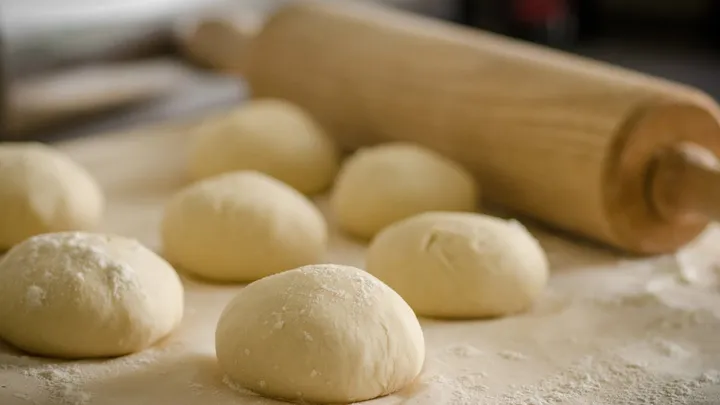
Desired Dough Temperature: How to Calculate It
Learn the DDT formula for stand mixers, spiral mixers, and hand mixing. Control your fermentation timeline with precise water temperature calculations.
Ingredients
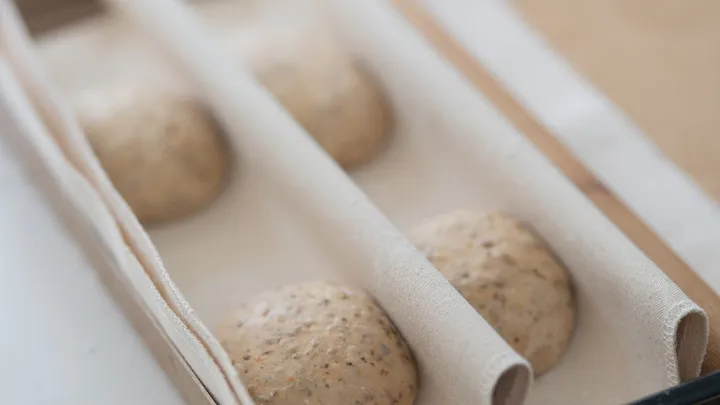
Pre-ferments Explained: Poolish, Biga, and More
Learn the differences between poolish, biga, pate fermentee, and sourdough levain — and when to use each pre-ferment in your bread.
Ingredients
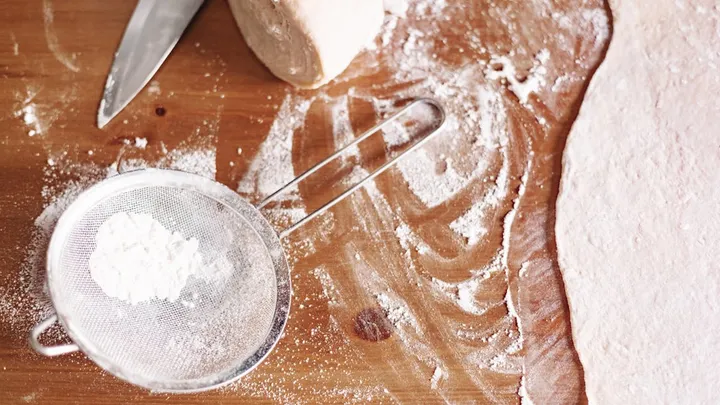
Baker's Percentages Explained (With Examples)
Learn how baker's percentages work, how to scale any bread formula, and how to convert cup recipes to weight-based formulas.
Science
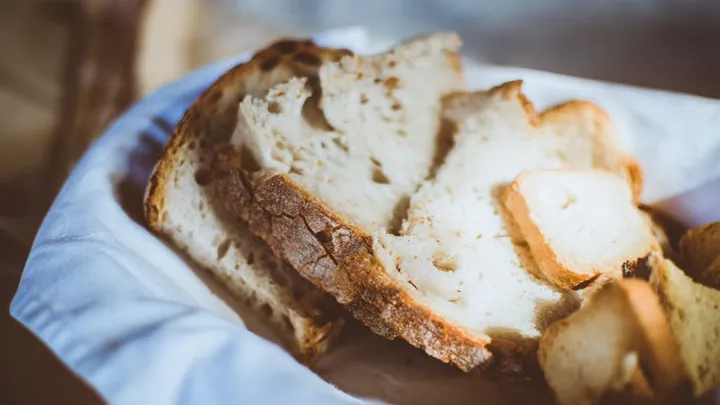
Why Bread Goes Stale (It's Not Drying Out)
Staling is starch retrogradation, not moisture loss. The refrigerator accelerates it. Here's the science, storage rules, and why toasting reverses it.
Science
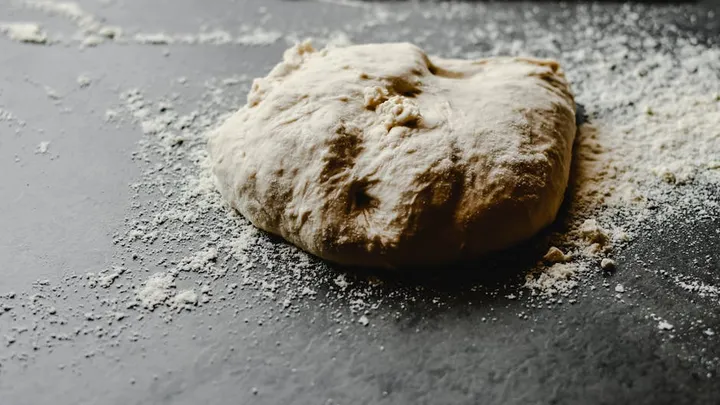
Hydration in Bread: What the Percentage Means
A complete guide to bread hydration -- what baker's percentage means for water, how it changes dough behavior, and why the recipe number isn't always right.
Science
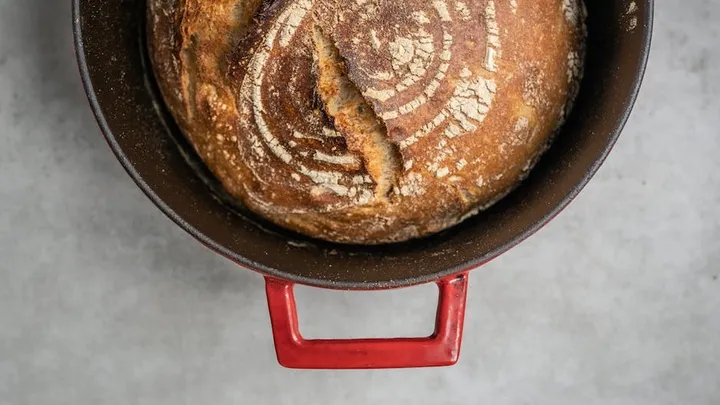
Sourdough Starter Science: What's Actually Alive
The real microbiology of sourdough starters -- specific bacteria and wild yeasts, why geography doesn't matter, and how to control flavor.
Science
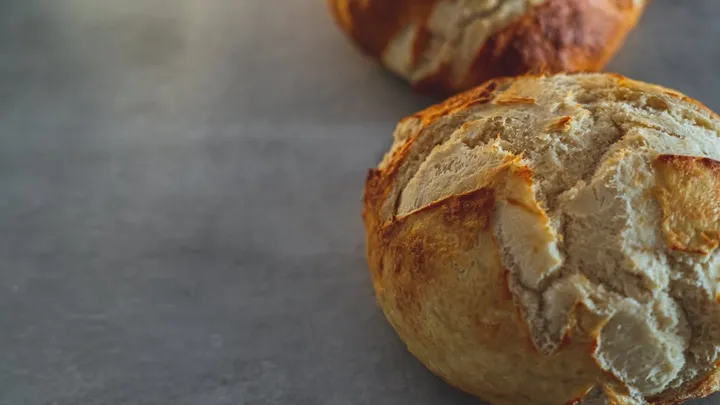
The Maillard Reaction in Bread: How to Get a Better Crust
Bread crust flavor comes from the Maillard reaction -- amino acids and sugars browning above 250 degrees F. Here's the science, plus how long fermentation and a darker bake build a deeper, tastier crust.
Science
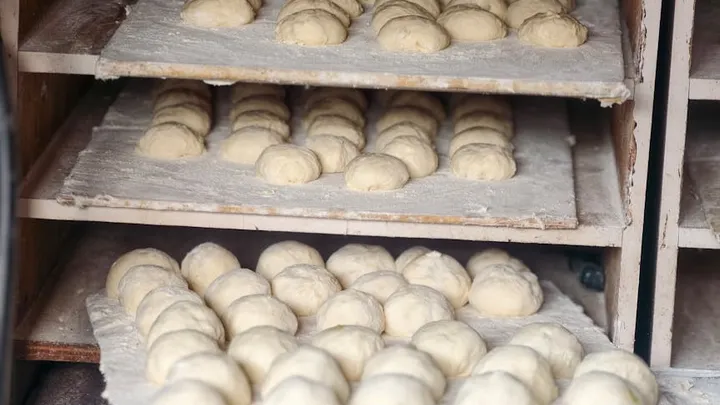
Fermentation in Bread: The Complete Science
Everything happening inside your dough -- glycolysis, CO2, enzyme activity, yeast behavior, and the temperature rules that control it all.
Science
How Gluten Works in Bread: Strength, Stretch, and Structure
How gluten really works in bread: glutenin for elasticity, gliadin for stretch, disulfide bonds, and why different flours make different loaves.