The Library
Articles
Science-backed guides on sourdough, technique, equipment, and the craft — cross-referenced across five authoritative sources.
Latest
Technique
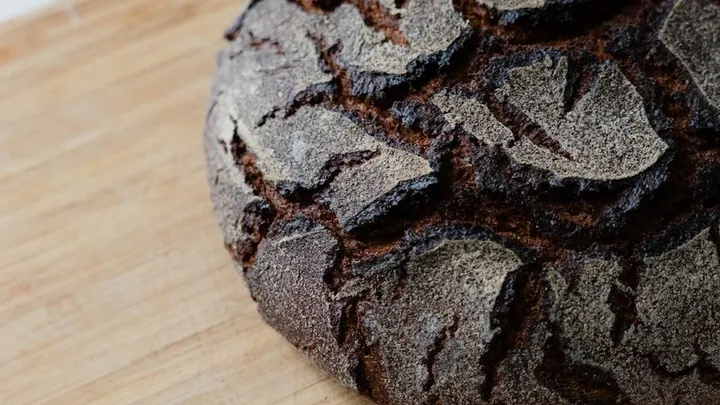
Why Bread Cracks on Top (And How to Fix It)
Bread cracking on top comes down to four causes: no scoring, under-proofing, too much surface tension, or oven issues. Diagnose and fix each one.
Styles
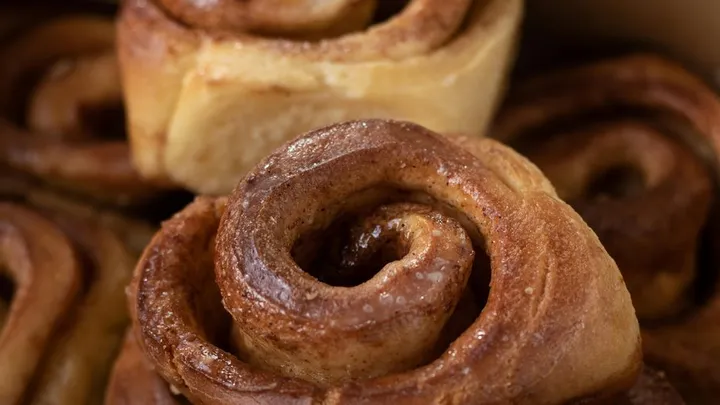
Sourdough Cinnamon Rolls: Overnight Method
How to make sourdough cinnamon rolls with an overnight cold retard -- young leaven, enriched dough, and a weekend schedule.
Styles
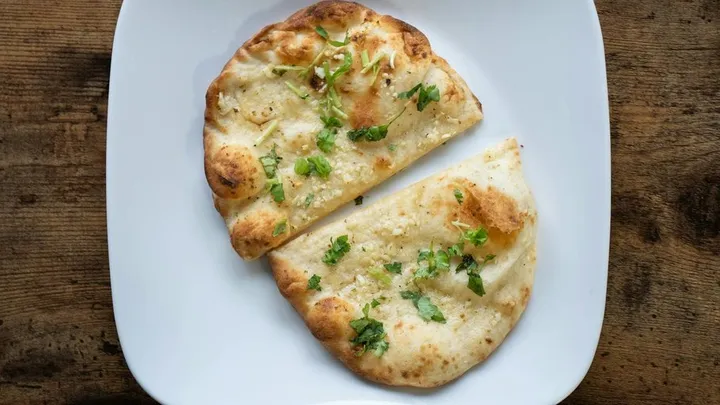
Naan Bread at Home: Yogurt Dough, Skillet-Charred
Stovetop naan with yogurt-enriched dough, high-heat skillet cooking, and garlic butter finish. Plus the science of flatbread baking.
Technique
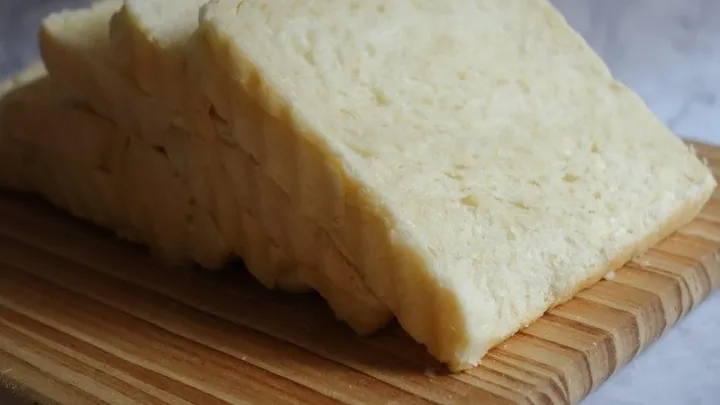
Tangzhong Method Explained: The Water Roux for Softer Bread
How the tangzhong water roux works — starch gelatinization at 65°C, higher effective hydration without slack dough, and bread that stays soft for days.
Science
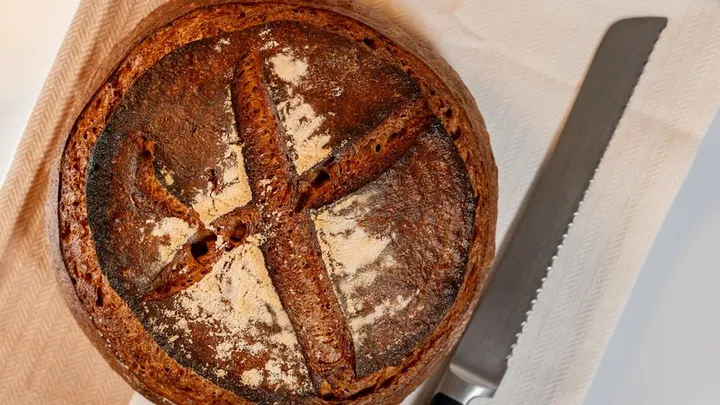
Oven Spring: Why Bread Rises in the Oven
The 4 mechanisms behind oven spring — enzyme acceleration, CO2 solubility, vapor pressure, and thermal expansion — plus steam, scoring, and diagnostics.
Styles
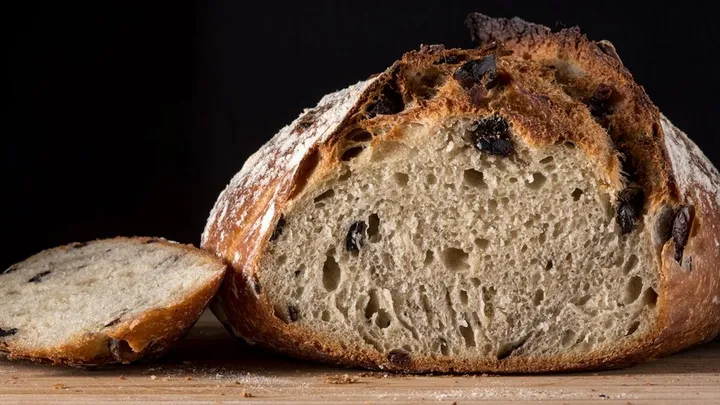
Olive Rosemary Bread: The Complete Recipe and Technique
Artisan olive rosemary bread with a lean poolish base. When to add mix-ins, how olives affect hydration, and the fold-and-incorporate technique.
Technique
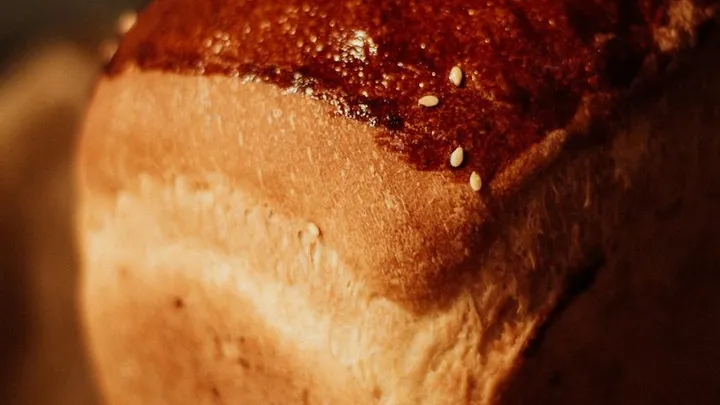
How to Tell When Bread Is Done Baking
Three reliable methods to check bread doneness — internal temperature, crust color, and the thump test — plus the cooling confirmation that tells you the bake was right.
Styles
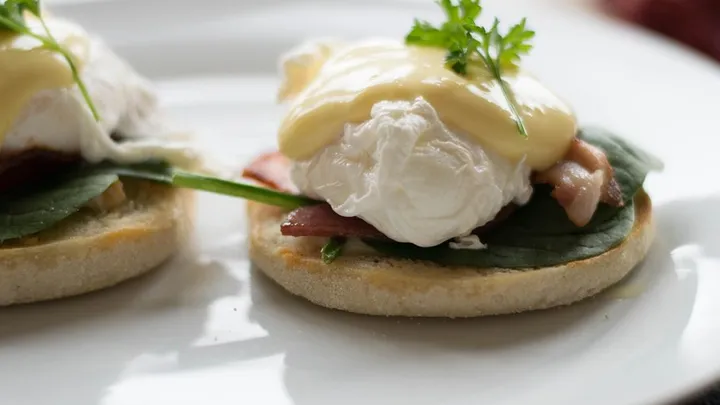
English Muffins Recipe: Nooks and Crannies from Scratch
Homemade English muffins with real nooks and crannies. An enriched dough, griddle-cooked to golden perfection -- easier than you think.
Styles
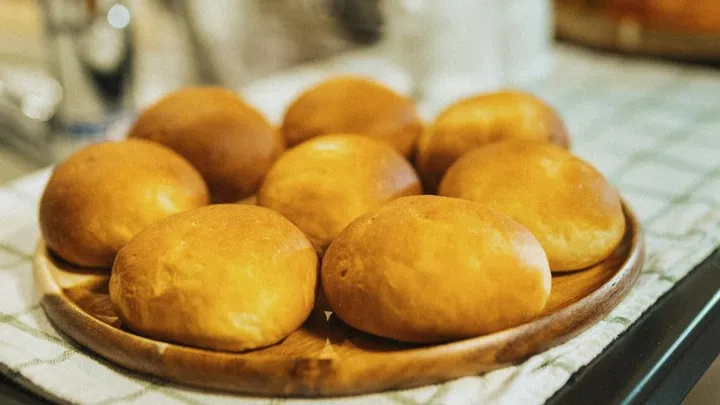
Dinner Rolls Recipe: Soft, Buttery, Three Shaping Options
Soft, buttery dinner rolls with four shaping techniques -- cloverleaf, knot, round, and pull-apart. An enriched dough ready in under 3 hours.
Ingredients
Bread Flour Substitutes: What to Use When You Run Out
All-purpose flour, vital wheat gluten, whole wheat, and European flour types -- how to substitute for bread flour and when it actually works.
Technique
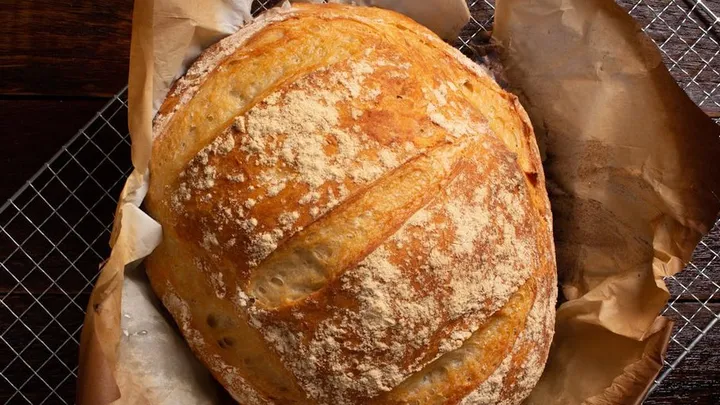
Bread Baking Schedule: Timing Your Bake Around Real Life
Practical bread baking schedules for weeknights, Saturday mornings, and overnight bakes. Use DDT, yeast quantity, and cold retarding to fit bread into any routine.
Styles
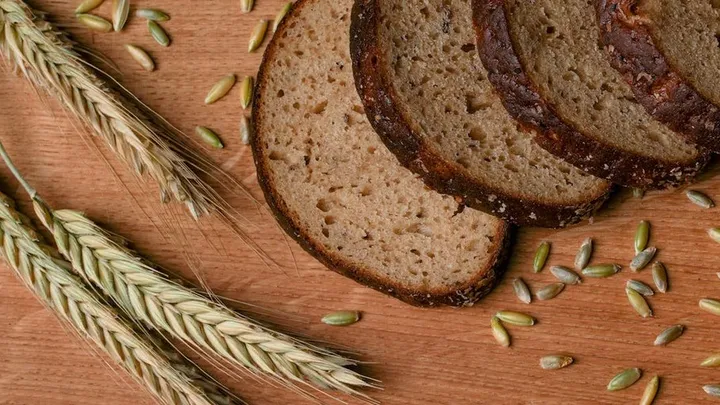
Ancient Grains Bread Guide: Emmer, Kamut, Triticale, and Fonio
How to bake with emmer, kamut, triticale, fonio, and other ancient grains. Protein content, hydration adjustments, and blending guidelines for each grain.
Styles
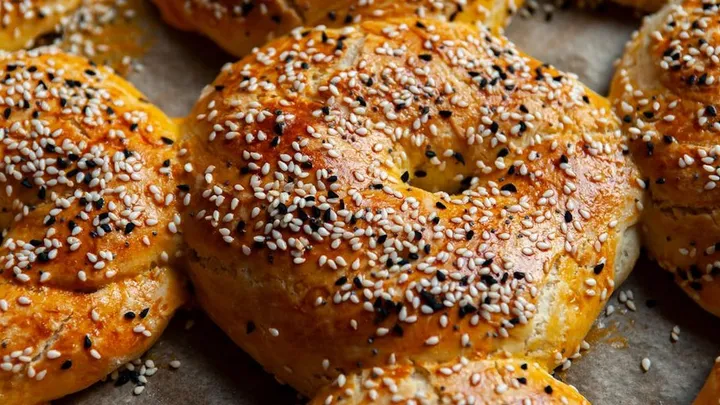
Homemade Bagels: Boiled, Baked, and Chewy
How to make real homemade bagels with a stiff dough, malt water boil, and high-heat bake for dense, chewy results.
Styles
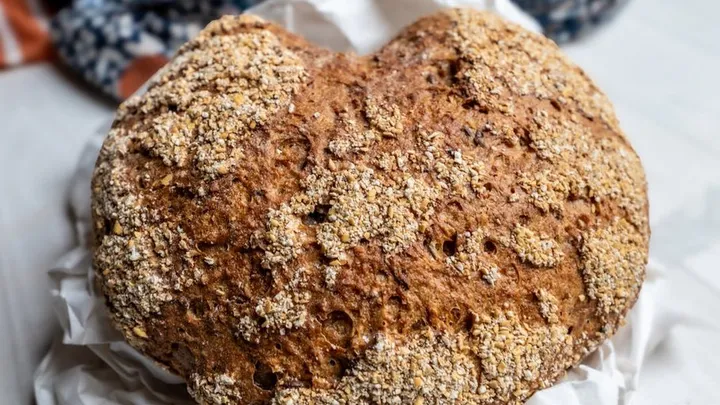
Einkorn Bread Guide: Baking with the Oldest Wheat
A complete guide to baking with einkorn flour. Learn the hydration, mixing, fermentation, and shaping adjustments that einkorn's fragile gluten demands.
Ingredients
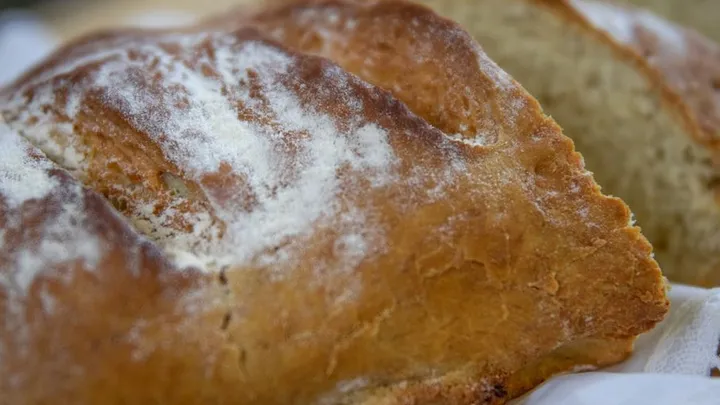
Diastatic Malt in Bread: Better Crust Color and Flavor
What diastatic malt powder is, how its live amylase enzymes improve crust browning and flavor, the difference from non-diastatic malt, and how much to use.