The Library
Articles
Science-backed guides on sourdough, technique, equipment, and the craft — cross-referenced across five authoritative sources.
Latest
Styles
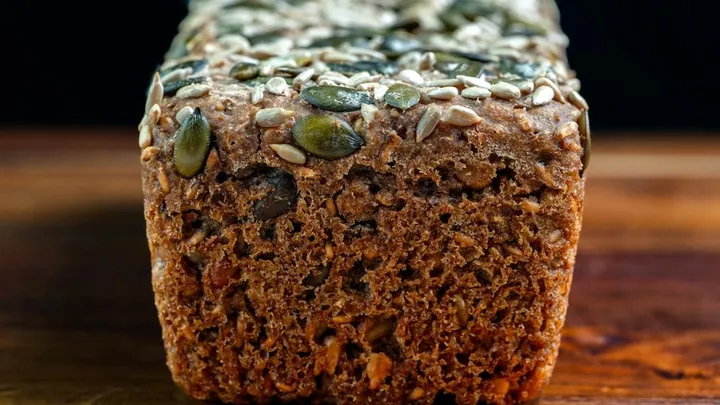
Multigrain Seed Bread Recipe (Soaker Method)
How a seed-and-grain soaker changes multigrain bread, with corrected water accounting, flour-blending guidance, and the formula's remaining kitchen-test limits.

Science
Water for Bread Baking: Hardness, Minerals, and Why It Matters
How hardness, alkalinity, disinfectants, and temperature affect bread—and how to decide whether changing your baking water will help.
Technique
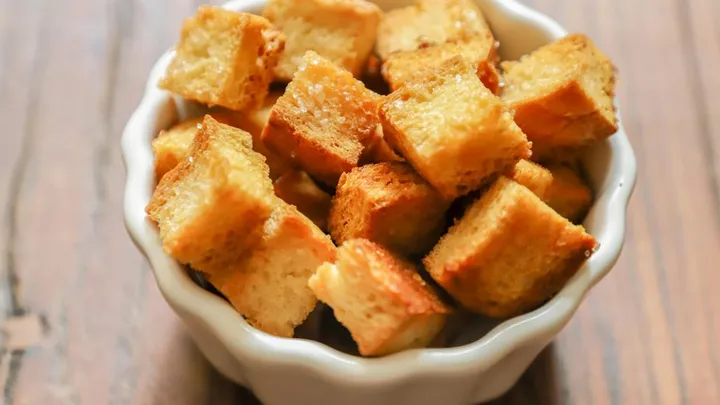
10 Stale Bread Recipes to Use Up the Loaf
Stale bread recipes that actually work: croutons, panzanella, French onion soup, bread pudding, ribollita, strata, French toast, breadcrumbs, and more.
Technique
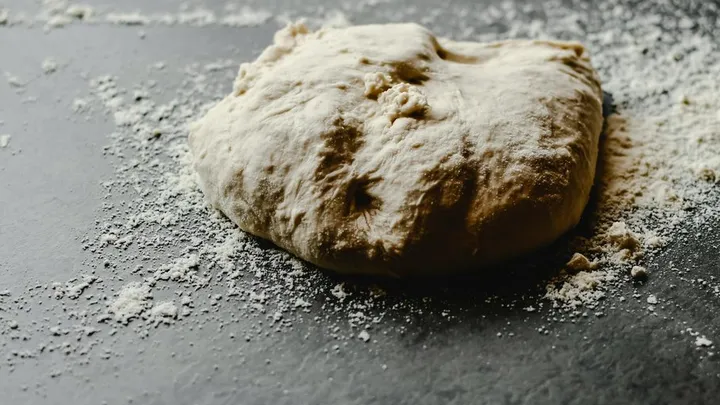
How to Make a Poolish: Recipe, Ratio, and Timing
Mix equal weights of flour and water with a little yeast, then judge ripeness from activity and expansion. Learn poolish timing and final-dough accounting.
Sourdough
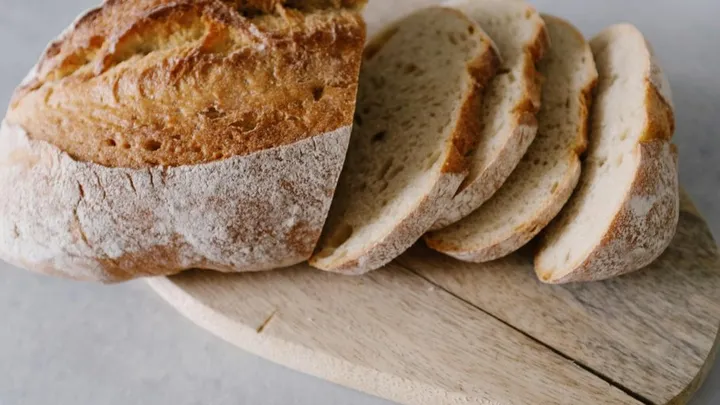
Same-Day Sourdough Bread (No Overnight Wait)
Bake two sourdough loaves the day you mix the dough, starting with ripe leaven. Includes an illustrative warm schedule, complete flour accounting, and readiness checks.
Styles
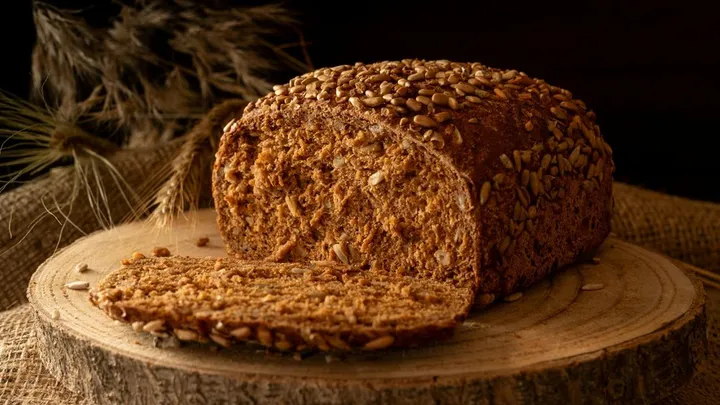
Spelt Bread Guide: Hydration, Mixing, and Ferment Rules
Spelt makes great bread if you adjust your technique — lower hydration, gentler mixing, and shorter fermentation. Full method plus a 100% spelt country loaf.
Styles
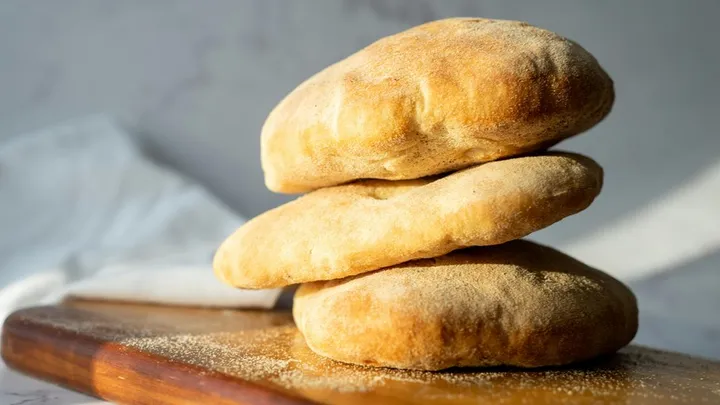
Pita Bread at Home: The Pocket-Puff Technique
Make pocket pita with an evenly rolled dough and a hot baking surface. Understand steam inflation, normal cooling deflation and common puffing problems.
Styles
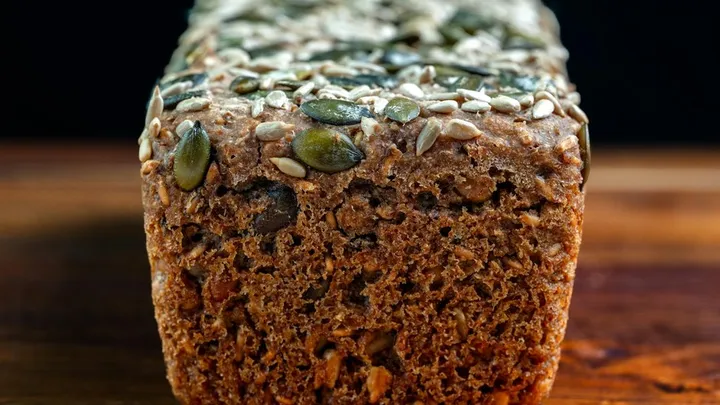
High-Protein Bread: What It Is and How to Bake It
How flour, gluten, seeds, milk, and eggs change bread's protein content, with a sandwich loaf formula and transparent protein estimates.
Technique
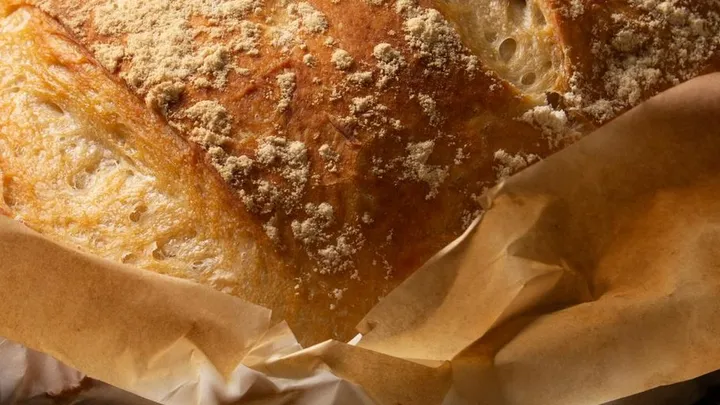
Bread Crust Too Hard? Common Causes and How to Fix Them
Diagnose thick, hard bread crust by checking bake time, steam, oven heat, Dutch oven setup, and storage. Learn when reheating helps and when to change your recipe.
Styles
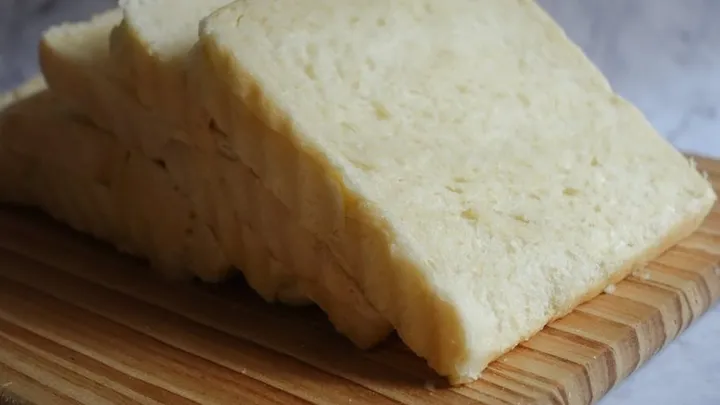
Pain de Mie Recipe: The Perfect-Crumb Pullman Loaf
How a lidded Pullman pan shapes pain de mie, with corrected dough weights, manufacturer-safe mixing guidance, and pan-specific proofing and baking advice.
Styles
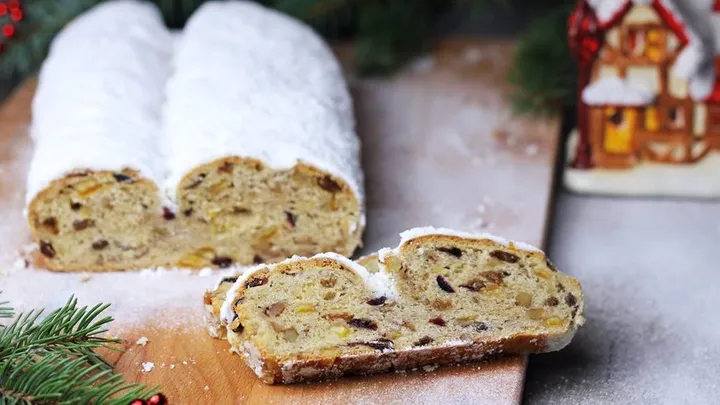
Stollen Recipe Guide: Fruit, Dough, and Storage
Understand German Christmas stollen: fruit preparation, rich dough, the butter-and-sugar finish, and why soaking, baking, and storage depend on the recipe.
Styles
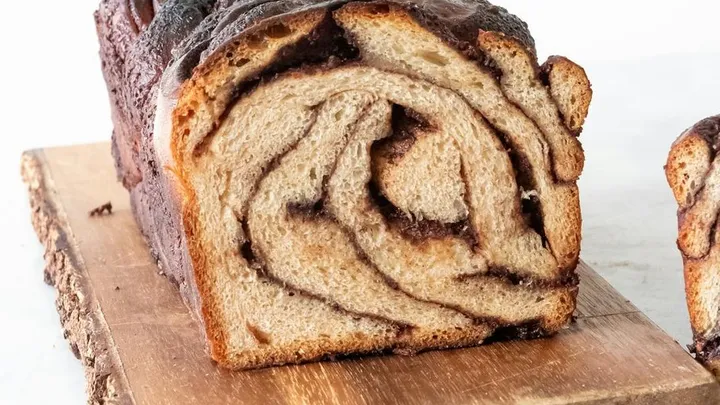
Chocolate Babka Recipe: Twisted Layers of Rich Dough
Chocolate babka dough, filling and shaping explained, with careful mixer guidance, a proposed two-loaf formula and practical checks for proofing and baking.
Science
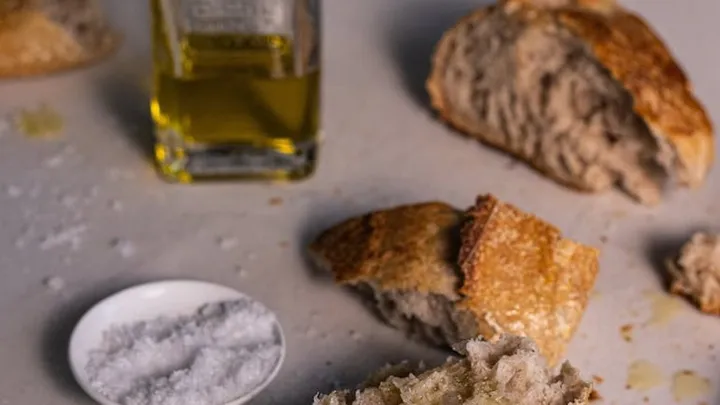
Salt in Bread: What It Does to Gluten, Fermentation, and Flavor
How salt changes bread dough, why 2% is a common starting point, and how to adjust fermentation and calculate sodium when reducing it.
Styles
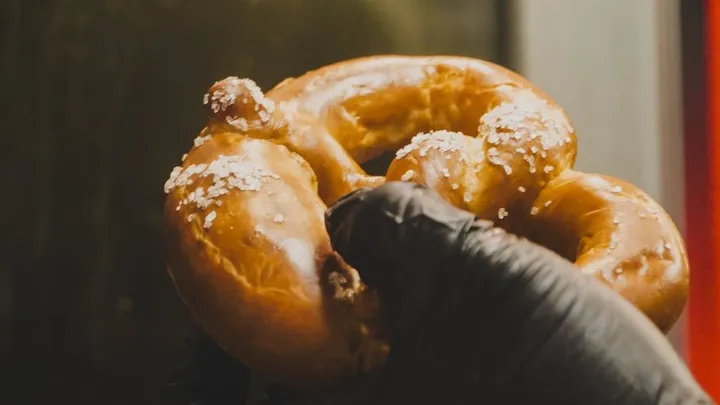
Soft Pretzels Recipe: Chewy Homemade Pretzels
Chewy, golden-brown soft pretzels with a dark alkaline-bath crust. The shaping technique, a baking soda bath, and practical baking and storage guidance.
Sourdough
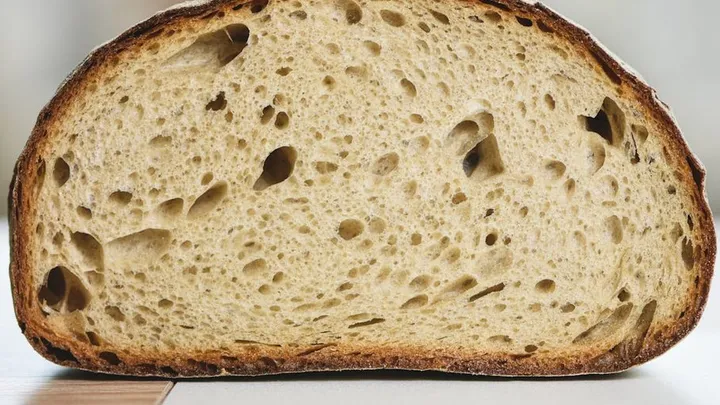
Sourdough Bread Too Sour? How to Control Acidity
How starter maturity, feeding, flour, temperature, and fermentation affect sourdough flavor — and how to make a milder loaf without underproofing it.