The Library
Articles
Science-backed guides on sourdough, technique, equipment, and the craft — cross-referenced across five authoritative sources.
Latest
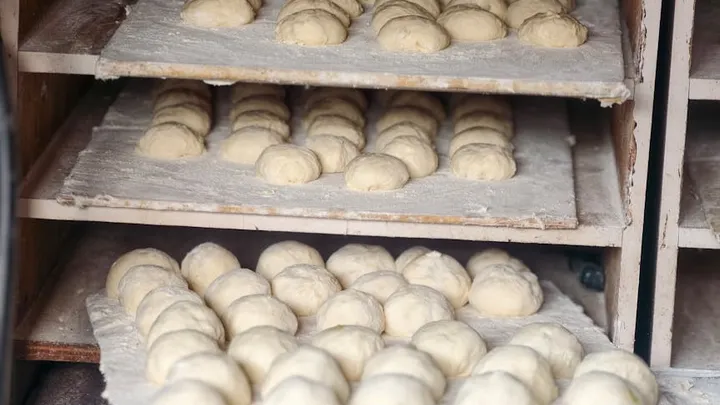
Science
Fermentation in Bread: The Complete Science
How yeast, bacteria, enzymes, temperature, and gas retention shape bread fermentation, with practical ways to judge dough readiness.

Styles
Focaccia Guide: Technique, Science, and Formula
A practical focaccia guide to hydration, olive oil, pan size, dimpling, proofing, cold fermentation, and toppings.
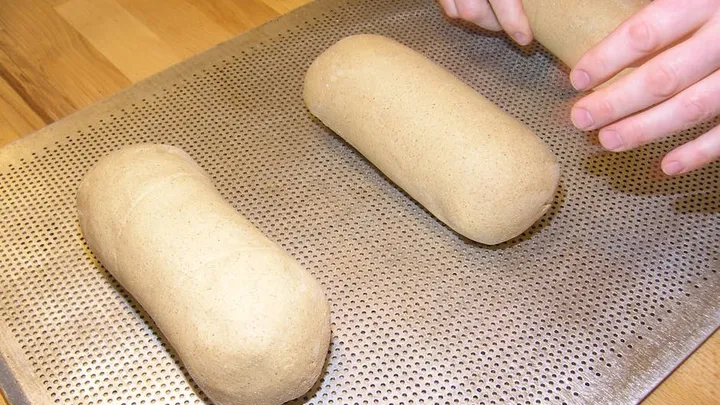
Science
How Gluten Works in Bread: Strength, Stretch, and Structure
How gluten really works in bread: glutenin for elasticity, gliadin for stretch, disulfide bonds, and why different flours make different loaves.
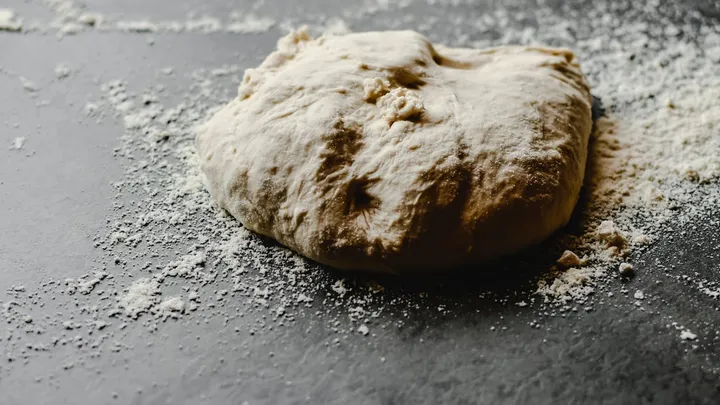
Technique
Autolyse: What It Does and When to Use It
Learn how autolyse changes bread dough, when the rest helps, how salt and starter affect it, and how to choose a useful resting time.
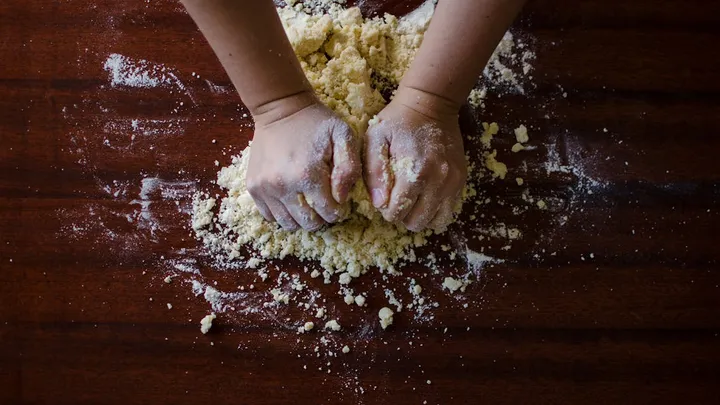
Technique
How to Knead Bread (and When Not To)
Develop bread dough by hand, with a mixer, or through rests and folds. Learn the pincer method, safe mixer use, and recipe-specific development cues.

Sourdough
How to Make a Sourdough Starter from Scratch
Build a flour-and-water sourdough starter with measured feedings, realistic readiness cues, and safe discard handling.
Technique
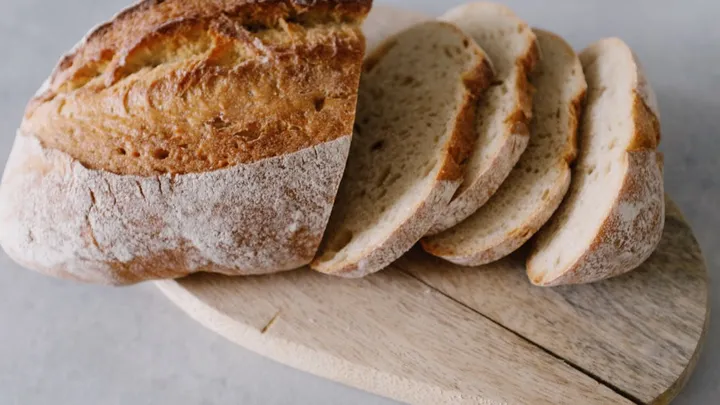
How to Score Bread: Patterns and Technique
Scoring controls how bread expands in the oven. Here's the technique, the tools, the patterns, and when to skip it entirely.
Technique
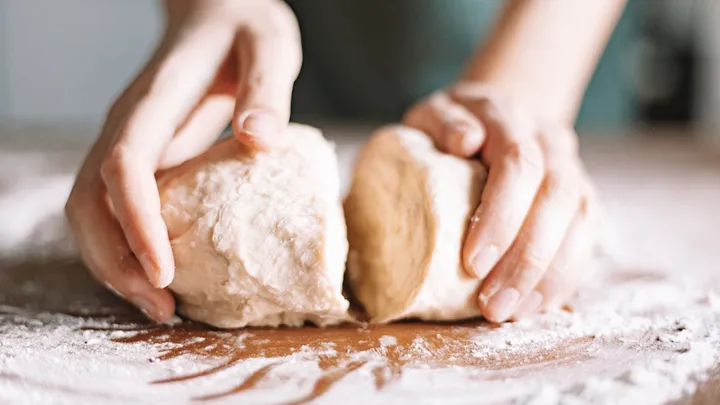
How to Shape Bread: Boule, Batard, Baguette
Three essential bread shapes with the specific techniques that create surface tension and hold structure through proofing and baking.
Science
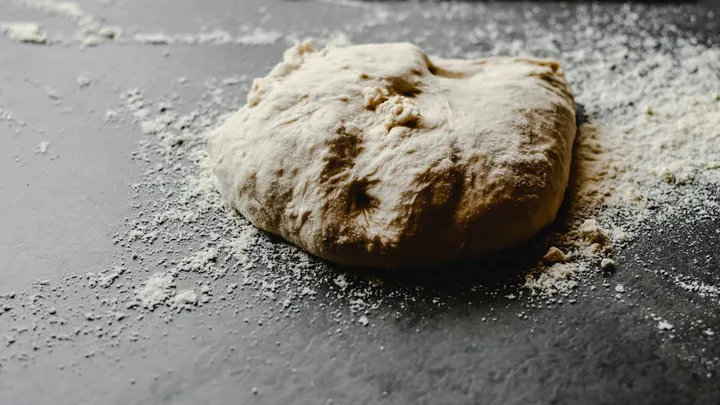
Hydration in Bread: What the Percentage Means
Calculate bread hydration including starter flour and water, compare doughs accurately, and adjust for flour and handling without chasing a universal percentage.
Science
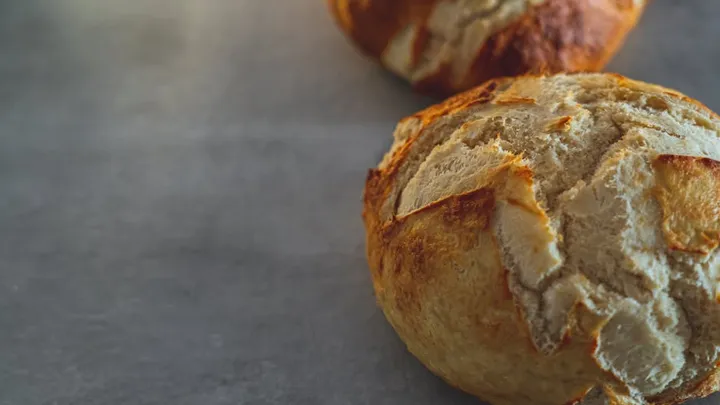
The Maillard Reaction in Bread: How to Get a Better Crust
How Maillard browning builds bread crust flavor, why fermentation can change the result, and how to balance steam, heat, and baking time.
Styles
No-Knead Bread: The Science of Doing Less
How resting and folds develop no-knead dough, with an overnight formula, practical readiness cues, and cookware-specific baking guidance.
Styles
Overnight White Bread (Forkish Method)
A guide to Forkish's Overnight White formula: 78% hydration, 0.08% instant yeast, and an overnight rise, with clear shaping orientation and baking cues.
Technique
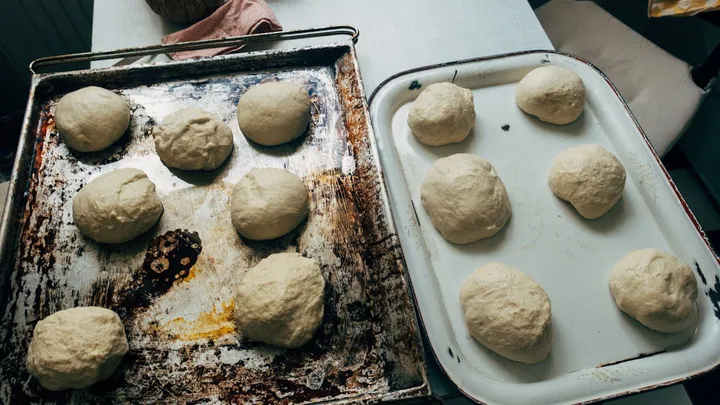
Overproofed vs Underproofed Bread: Signs & Fixes
How to tell overproofed from underproofed bread: crumb signs, oven-spring clues, the poke test, and how to fix each one on your next bake.
Technique
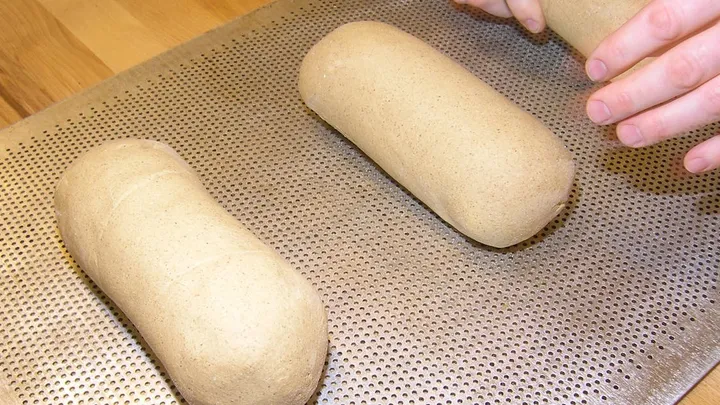
The Poke Test: How to Know When Bread Is Proofed
Use the finger-dent test alongside dough expansion and texture to judge final proofing, with guidance for cold, wet, enriched and rye doughs.
Ingredients
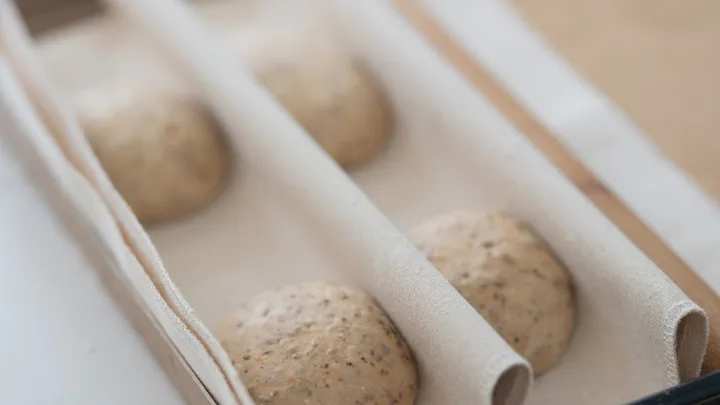
Pre-ferments Explained: Poolish, Biga, and More
Compare poolish, biga, pate fermentee and sourdough levain, including ripeness, recipe timing and how to count their flour and water.