A gluten free sourdough starter is a live culture of wild yeast and lactic acid bacteria grown in rice, teff, or sorghum flour instead of wheat — and it ferments exactly as reliably as a wheat starter because gluten was never the ingredient doing the fermenting. Building one from scratch takes 5-7 days with brown rice flour plus teff or sorghum and daily feedings. Every flour you use must carry a gluten-free label — naturally gluten-free grain is not the same as a gluten-free bag, and some major brands decline to label their buckwheat flour gluten-free because of supply-chain cross-contact. If you'd rather skip the build, Cultures for Health's Gluten-Free Sourdough Starter Culture is the most established ready-made option, and it's live within about a week of rehydration.
Try It Yourself
The Starter Clock
Track your sourdough starter fermentation — see when it peaks, when to use it, and what flavor to expect.
Open ToolGluten-free sourdough starters ferment on exactly the same biology as wheat starters — wild yeast and lactic acid bacteria (LAB) don’t require gluten, they need starch and sugar, and rice, sorghum, teff, and buckwheat flours supply plenty of both. The confusion comes from what gluten-free starters look and behave like once they’re active, which is different enough from a wheat starter that many first-time bakers assume something has gone wrong when nothing has.
This guide covers the actual biology of why GF starters diverge from wheat ones, a day-by-day method for building one from scratch, a maintenance schedule that keeps it alive indefinitely, the troubleshooting signs that matter, and — for anyone who’d rather not spend a week feeding a jar — the ready-made cultures worth buying. This is a baking guide, not medical advice. If you are managing celiac disease or a wheat allergy, your clinician governs your diet — but the kitchen controls below are the practical part, and they matter more here than on almost any other page, because a starter is a mother culture: anything that contaminates it is carried forward into every loaf it ever leavens.
Why Gluten-Free Starters Ferment Differently, Not Worse
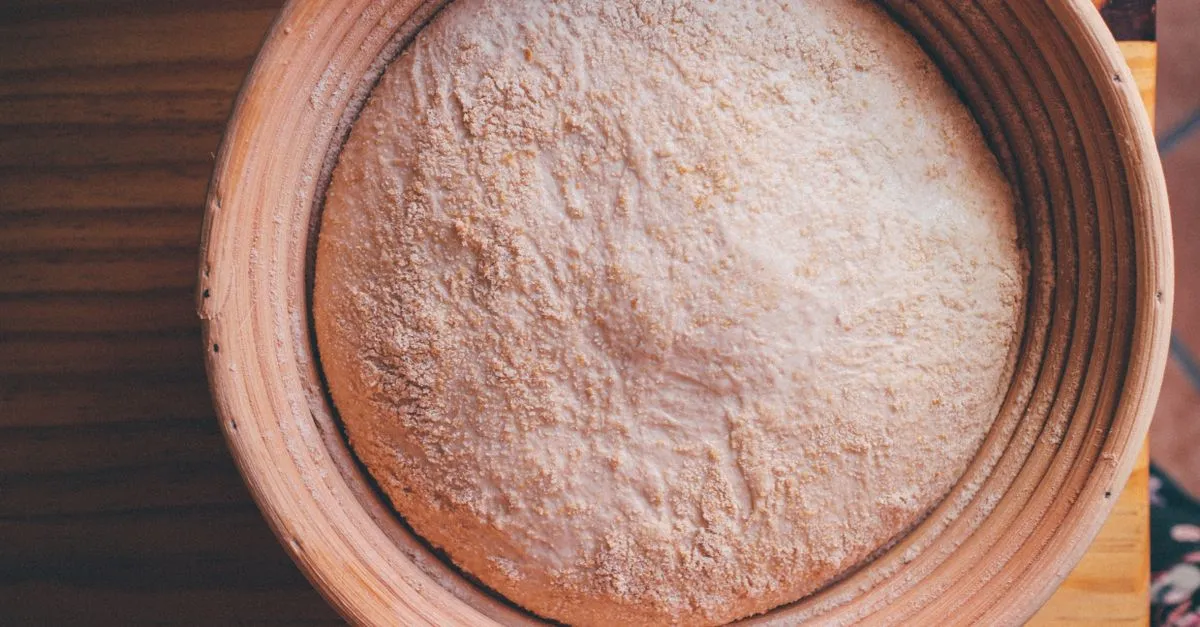
Wild yeast and lactic acid bacteria consume starch and sugar, not gluten, so a rice-, teff-, or sorghum-based starter ferments just as reliably as a wheat one. What gluten actually does in a wheat starter is trap the CO₂ the yeast produces in an elastic network, which is why a wheat starter rises into a domed, spongy mass. GF flours have no gluten network to trap gas the same way, so a healthy GF starter often looks looser, more batter-like, and bubblier at the surface rather than domed — that’s a structural difference, not a fermentation problem. For the underlying mechanics of why gluten behaves this way in the first place, see how gluten works in bread; the general fermentation science that governs any starter, wheat or not, is covered in the sourdough starter science breakdown.
Rice flour alone ferments slowly because it’s low in the free sugars and minerals wild yeast populations feed on early. Teff, sorghum, and buckwheat all carry more of that early fuel, behaving the way whole wheat does in a conventional starter — the bran and germ left in the flour give the culture more to work with in the first few days. That’s why most reliable GF methods build on a rice base but lean on one of these to get the culture active faster, mirroring the same logic wheat bakers use when they lean on whole wheat to jump-start a standard starter build.
Before you start this build
- Naturally gluten-free is not the same as gluten-free
- Rice, buckwheat, sorghum, teff, millet, and oats carry no gluten as crops, but they are routinely grown, stored, transported, and milled alongside wheat. The grain being naturally gluten-free is necessary and not sufficient — what matters is the finished bag. Buy flours that carry a gluten-free label, and note that several major brands decline to label some naturally gluten-free flours precisely because of supply-chain cross-contact.
- In a shared kitchen, controls are what make it safe
- Baking gluten-free alongside wheat is a question of controls rather than an automatic no: dedicated or thoroughly cleaned equipment, separate flour storage, cleaned surfaces, dedicated utensils, and no wheat flour being handled in the air around the gluten-free bake. Airborne flour settles for hours, and wooden, cast-iron, and worn plastic tools retain residue. The failure mode is assuming rather than verifying. Where those controls cannot genuinely be assured, a sealed product carrying the gluten-free claim is the safer choice.
Building a Gluten-Free Starter From Scratch, Day by Day
Applying the two points above to this specific build: give the starter a dedicated jar and a dedicated spoon, and keep it away from any surface where wheat flour gets handled. That matters more here than in most gluten-free baking for two reasons particular to starters. This method has you cover the jar loosely, so the vessel is open to settling airborne flour for days on end. And a starter is a mother culture — a single contamination event is not one ruined loaf, it is carried forward through every feeding and into every bread that culture ever leavens.
- Day 1: Mix 50g brown rice flour, 50g teff or sorghum flour (labeled gluten-free), and 100g room-temperature water in a clean jar. Cover loosely and hold at 75-80°F. No activity is expected yet.
- Days 2-3: Discard about half, then feed 50g brown rice flour, 50g teff or sorghum flour, and 100g water. You should see scattered surface bubbles and a mildly sour, slightly funky smell by day 3 — GF starters often smell more overtly “cheesy” or yeasty at this stage than wheat starters do.
- Days 4-5: Same discard-and-feed routine, but you can shift the ratio toward more sorghum and less teff if you want a milder final flavor. Expect a rise in volume (not necessarily a dome) and a stronger, more consistent bubble pattern across the whole surface.
- Days 6-7: Feed twice daily if the starter is falling within 6-8 hours of a feeding. Once it reliably rises and a spoonful floats in water — the same float test wheat bakers use — it’s ready to leaven bread.
Total build time runs 5-7 days for most kitchens, a day or two longer in a cold room. If the culture stalls completely with zero bubbling by day 4, discard and restart with fresh flour rather than troubleshooting a dead batch for another week.
Maintenance and Feeding Schedule
A mature gluten-free starter needs a feeding ratio of roughly equal parts starter, flour, and water by weight (a 1:1:1 ratio) every 12-24 hours at room temperature, or once a week if refrigerated between bakes. Keep the same flour blend you built it on — switching flours repeatedly slows the culture down because the yeast and bacterial populations have to adjust to a new food source each time. For a written-out feeding cadence you can follow without guessing, the sourdough feeding schedule guide applies the same underlying timing logic to any starter, and a tool like the starter clock will flag when a GF starter is at peak activity based on your room temperature rather than a fixed clock time.
Refrigeration slows fermentation without stopping it, so a starter that’s fed weekly and kept cold will still need a warm-up feeding or two before it’s vigorous enough to leaven a loaf. Whatever you discard at each feeding doesn’t have to go to waste — it works in gluten-free pancakes, crackers, and quick breads the same way wheat discard does. Our discard roundup covers those formats, but treat it as a source of ideas rather than a drop-in swap: those recipes are written around wheat discard, and several contain other gluten sources — malt, wheat-based add-ins, or wheat flour in a sub-component — that a flour swap alone will not remove. Check each recipe end to end, not just the flour line.
Troubleshooting: What’s Normal for GF Starters and What Isn’t
Gluten-free starters look, smell, and rise differently from wheat starters at every stage, which is the single biggest source of false alarms. A batter-like consistency with no dome, a stronger and more “funky” aroma, and a faster separation of liquid on top (hooch) are all normal for rice-, teff-, and sorghum-based cultures and don’t indicate a failing starter. What does indicate trouble is the same for any starter, gluten-free or not: a sharp nail-polish-remover smell means the culture has gone heavy on alcohol production and needs a feeding; a smell that turns aggressively vinegary means it’s over-acidified and due for a more frequent feeding schedule; and zero bubbling activity for several days running after multiple feedings usually means the culture didn’t survive and needs a restart, not more patience.
Discoloration is worth watching closely in GF starters specifically. A thin layer of grey or amber liquid on top is ordinary hooch and just needs stirring back in or pouring off. Any pink, orange, or fuzzy mold growth is not normal in any starter and means the whole batch should be discarded and the jar washed before restarting — this happens more easily in humid kitchens where a GF starter’s looser, wetter consistency holds moisture near the surface longer than a stiffer wheat starter would.
What to Look For in a Gluten-Free Starter Culture
If you’re buying a ready-made culture rather than building from scratch, a few things separate a reliable purchase from a disappointing one:
- Flour base: Rice-based dehydrated cultures rehydrate faster and more predictably than blends built on starchier flours; check what the culture ships in before you buy.
- Format: Dehydrated cultures travel and store better and have a longer shelf life before activation; live (already-active) cultures skip the rehydration week but need to ship and arrive quickly.
- Reactivation timeline: A trustworthy seller tells you upfront how many days of feeding to expect before the culture is bake-ready — if that information isn’t listed, that’s a red flag.
- Track record: Cultures with years of consistent customer reviews behind them have a much lower failure rate than newer, unproven sellers, since starter viability depends heavily on how the dehydration and packaging were handled.
1. Gluten-Free Sourdough Starter Culture — Best Overall
Cultures for Health’s dehydrated culture is grown on organic brown rice flour and is the most widely used ready-made GF starter, with the longest track record of any product in this category. It rehydrates over roughly a week of daily feedings using the same brown rice plus teff/sorghum approach covered above, and the company describes it as one of their more forgiving cultures for first-time bakers.
2. Organic Brown Rice Flour — Best Base Flour
Bob’s Red Mill Organic Brown Rice FlourBob’s Red Mill’s brown rice flour is the workhorse ingredient for both building a GF starter from scratch and feeding one long-term. It’s milled fine enough to avoid the gritty texture that coarser rice flours can leave in a starter, and its neutral flavor won’t fight with whatever bread flavor you’re ultimately after.
3. Teff Flour — Best for Jump-Starting Fermentation
Bob’s Red Mill Teff FlourTeff is a tiny Ethiopian grain with high mineral and free-sugar content, and it acts on a rice-based starter the way whole wheat acts on a conventional one — giving the yeast population more to work with during the first few critical days. Bob’s Red Mill mills it in their dedicated gluten-free facility and ELISA-tests it, so it is a labeled gluten-free product rather than merely a naturally gluten-free grain.
A note on buckwheat, which most gluten-free starter guides recommend here. Buckwheat is a genuinely good jump-start flour — despite the name it is not wheat, it is a seed rather than a grass grain, and botanically it contains no gluten. But the botany describes the crop, not the bag on the shelf. Buckwheat is frequently grown and milled alongside wheat, and several major brands decline to label their buckwheat flour gluten-free for exactly that reason: Bob’s Red Mill specifically does not label its Organic Buckwheat Flour gluten-free and does not produce it in their gluten-free facility, citing supply-chain cross-contact. If you want to use buckwheat, buy a bag that carries a gluten-free label. Do not reason from the plant to the product — that inference is the single most common way a gluten-free starter gets contaminated.
4. Sweet White Sorghum Flour — Best for Long-Term Maintenance
Bob’s Red Mill Sweet White Sorghum FlourSorghum brings good starch content and a genuinely mild flavor, which makes it the better choice once a starter is established and you’re feeding it weekly rather than trying to build activity from nothing. Shifting the jump-start flour out for sorghum after the first week is a common way to keep the culture vigorous without a more assertive, earthy taste carrying into every loaf.
The Ranking
| Rank | Product | Best For | Price |
|---|---|---|---|
| 1 | Cultures for Health Gluten-Free Sourdough Starter Culture | Skipping the from-scratch build entirely | $14.99 |
| 2 | Bob’s Red Mill Organic Brown Rice Flour | Base flour for building and maintaining | $6.23 (24 oz) |
| 3 | Bob’s Red Mill Teff Flour | Jump-starting a sluggish new culture | $8.99 (24 oz) |
| 4 | Bob’s Red Mill Sweet White Sorghum Flour | Mild-flavored long-term maintenance feedings | $7.39 (22 oz) |
What to Actually Buy
If you want bread as fast as possible and don’t want to manage a build week, buy the Cultures for Health starter culture and follow its rehydration schedule — it’s the lowest-risk path to a working culture. If you’re building from scratch on a budget, brown rice flour alone will get you there eventually, but pairing it with teff or sorghum for the first week meaningfully shortens the time to a reliably active starter. Once your starter is established and you’re feeding it weekly rather than daily, switching part of the feed to sorghum keeps the flavor mild for everyday sandwich loaves. Buckwheat is a fine alternative for a more earthy, assertive flavour — provided you buy a bag that carries a gluten-free label, which not all buckwheat flour does. Either flour pairs fine with any gluten-free bread you’re buying as a backup while your own loaf is still rising.
Gluten-Free Sourdough Starter Picks
A ready-made culture and the three flours that build and maintain one
- 01
Cultures for Health Gluten-Free Sourdough Starter Culture
Most established GF culture on the market"Best Overall"Flour BaseOrganic brown riceFormatDehydratedBest ForSkipping the build - 02
Bob's Red Mill Organic Brown Rice Flour
Fine mill, neutral flavor"Best Base Flour"Flour BaseBrown riceFormatMilled flourBest ForBuild + maintenance - 03
Bob's Red Mill Teff Flour
Dedicated GF facility; speeds early days"Best for Fast Activity"Flour BaseTeffFormatMilled flourBest ForJump-starting fermentation - 04
Bob's Red Mill Sweet White Sorghum Flour
Won't dominate finished bread taste"Best for Mild Flavor"Flour BaseSorghumFormatMilled flourBest ForWeekly maintenance feedings
This article contains affiliate links. If you buy through them, we earn a small commission at no extra cost to you. We only recommend products we have personally tested where possible or vetted through bakery and home-kitchen feedback.
— Jay Arr
Frequently Asked Questions
- Can you make a gluten-free sourdough starter without any wheat flour at all?
- Yes — wild yeast and lactic acid bacteria ferment starch and sugar, not gluten, so a starter built entirely on rice, teff, or sorghum flour ferments reliably with zero wheat exposure — provided every flour you use carries a gluten-free label, since naturally gluten-free grain is not the same as a gluten-free bag. The starter will look looser and batter-like rather than domed, since there's no gluten network to trap gas the way wheat flour does, but that's a textural difference, not a sign of poor fermentation.
- Why does my gluten-free starter smell different than a regular sourdough starter?
- GF starters, especially rice- and teff-based ones, often develop a stronger, more distinctly yeasty or "funky" aroma than wheat starters at the same stage of fermentation. This is normal and tied to the different sugars and enzymes in those flours. A sharp nail-polish or aggressively vinegary smell is the actual warning sign, not general funkiness.
- How long does it take to build a gluten-free sourdough starter from scratch?
- Most gluten-free starters built on brown rice flour with teff or sorghum become bake-ready in 5-7 days of daily discard-and-feed cycles at 75-80°F, similar to a wheat starter's timeline. A mineral-rich second flour tends to shorten this because it carries more of the sugars wild yeast feeds on early, while rice flour alone can take a day or two longer.
- Is it worth buying a ready-made gluten-free starter culture instead of building one?
- A ready-made dehydrated culture like Cultures for Health's is worth it if you want a lower-risk path to a working starter without troubleshooting a from-scratch build, and it still takes about a week of feedings to fully rehydrate. Building from scratch costs less overall and only requires flour you likely already have, so the choice comes down to how much you value the guaranteed starting point.
- Can I feed a gluten-free starter with regular all-purpose gluten-free flour blends?
- Blends that include xanthan gum or other additives can gum up a starter's texture and aren't ideal for feeding, though they won't necessarily kill it. Single-ingredient flours — brown rice, teff, or sorghum, each carrying a gluten-free label — are the standard choice because they behave predictably and don't introduce gums the fermentation has to work around.
- What's the biggest mistake people make with gluten-free starters?
- Assuming a normal, healthy GF starter is failing because it doesn't dome or rise the way a wheat starter does. The actual failure signs are a nail-polish-remover smell, an aggressively vinegary smell with no other activity, colored or fuzzy mold growth, or zero bubbling after several consecutive feedings — anything short of those is typically a working culture.